





You’re sitting in the salon chair, scrolling through layered hair inspiration, and the same worry hits again: “What if I lose too much length?”
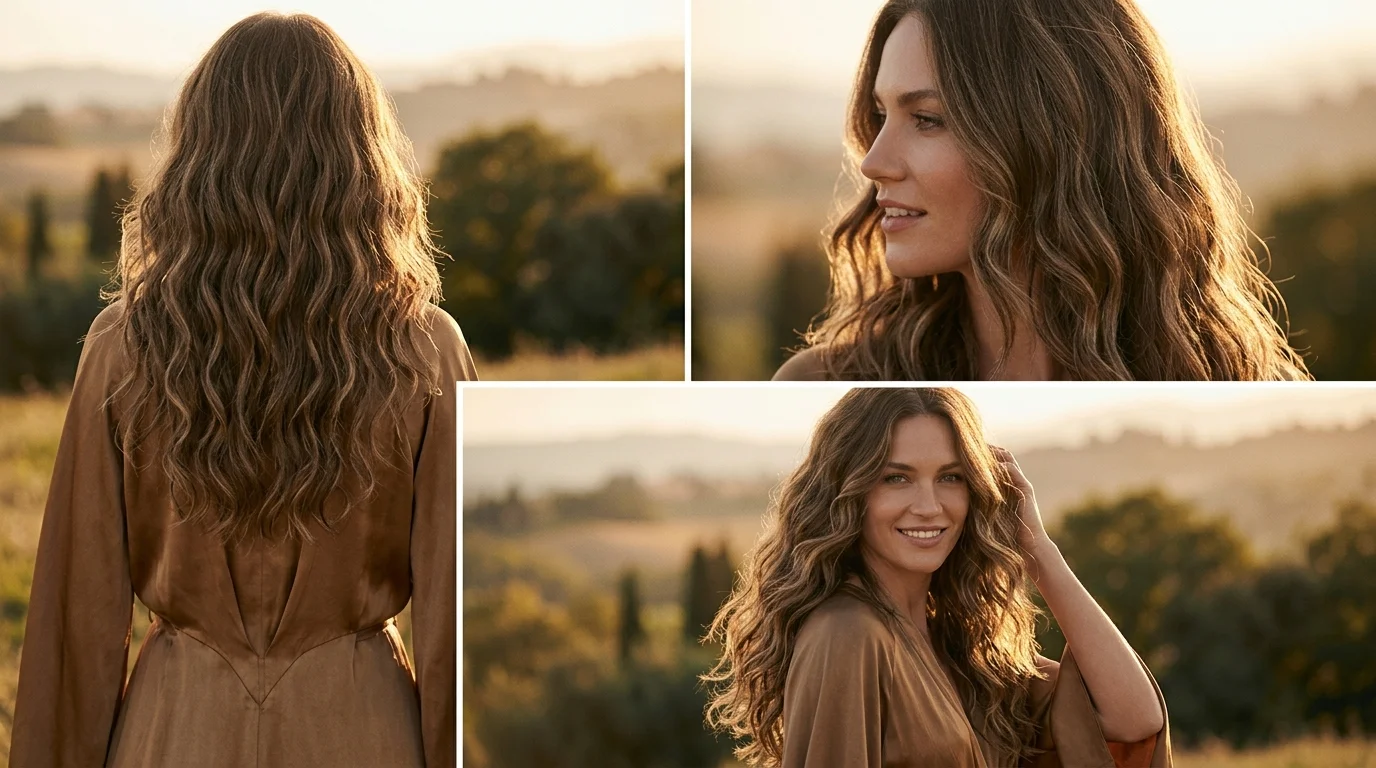
The truth is, you can get beautiful movement and softness without sacrificing your long hair. You just need the right way to ask—and the right steps to follow.
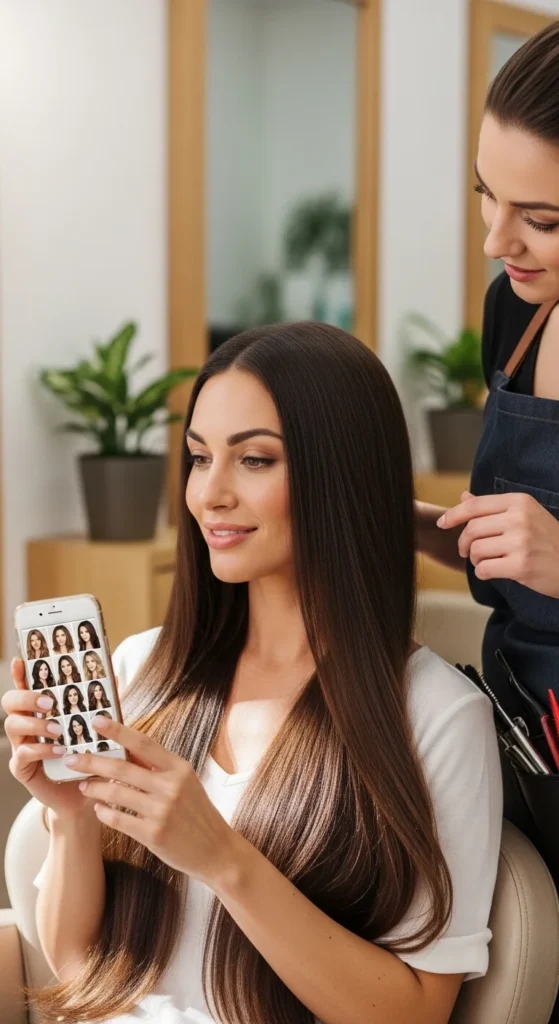
Step 1: Start With Your Main Goal (Keep Length + Add Movement)
Before talking about layers, clearly set your intention.
Say this first:
- “I want to keep my length, just add movement.”
- “I don’t want a big change in length, just a softer shape.”
This instantly tells your stylist the priority is preservation, not shortening.
This step matters because it sets the “boundary” of your haircut before any cutting begins.
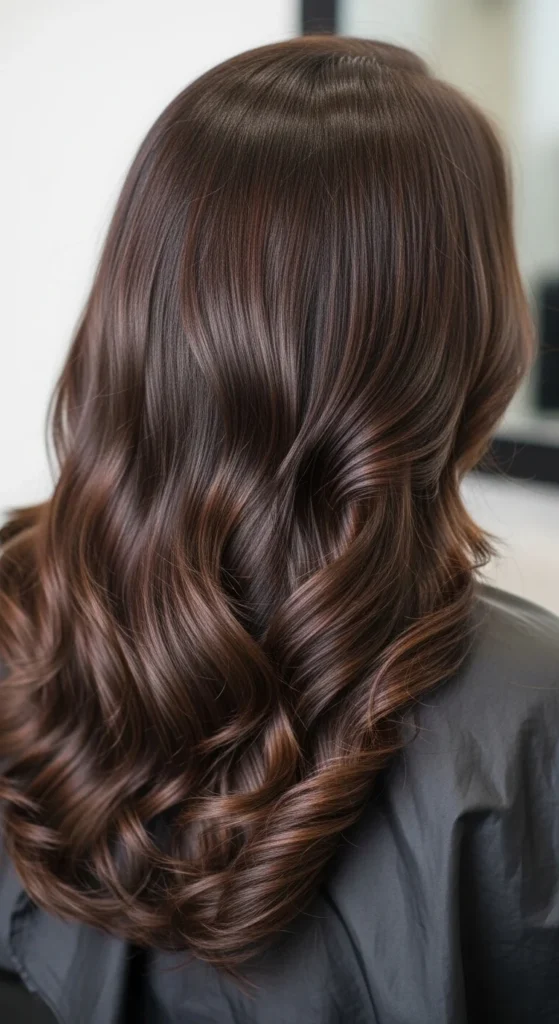
Step 2: Ask for “Soft and Blended” Layers (Not Choppy Ones)
This is one of the most important phrases in the entire consultation.
Use words like:
- Soft and blended layers
- Natural flow
- Lived-in movement
Avoid:
- Choppy layers
- Super short sections everywhere
- Sharp step-like cuts
“Soft and blended” signals that you want a seamless finish, not a dramatic or uneven look.
Step 3: Decide Where Your Shortest Layer Should Start
This is where control really comes in.
Use body reference points instead of guessing:
- Collarbone → safest choice, minimal length loss
- Chin → noticeable face framing
- Cheekbone → stronger shaping effect
Say clearly:
“Please start my shortest layer around my collarbone so I keep most of my length.”
This one sentence protects your hair more than anything else.
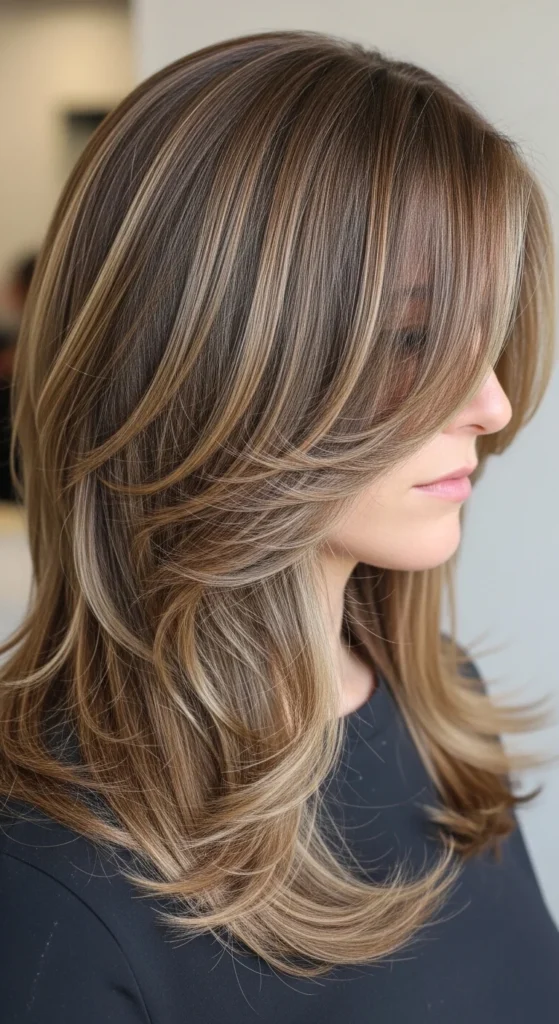
Step 4: Add Face-Framing Layers for a Safe Refresh
If you’re nervous, this is the easiest upgrade.
Face-framing layers:
- Lightly shape your face
- Don’t remove major length
- Work for most face shapes
You can say:
- “Just soft face-framing layers around my face.”
- “Keep the back long, only shape the front.”
This is the lowest-risk way to refresh your look without losing density.
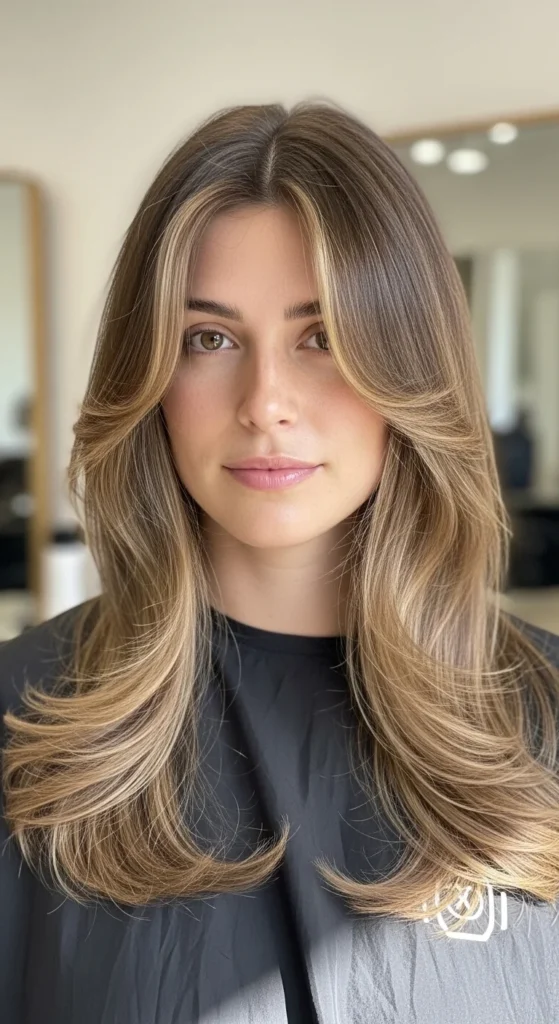
Step 5: Match Layers to Your Hair Type
This step helps avoid disappointment later.
Thick hair:
- Long layers remove bulk
- Keep ends lighter but still full
- Avoid too many short layers
Fine hair:
- Subtle layers only
- Keep ends thick for fullness
- Avoid heavy thinning
Wavy or curly hair:
- Long layers enhance curl shape
- Prevent a pyramid shape
- Add natural bounce
This ensures your layers work with your texture, not against it.
Step 6: Use a Simple Salon Script (Say It Exactly Like This)
Here’s your ready-to-use line:
“I want long layers that keep my overall length. Please start the shortest layer around my collarbone. I want soft, blended movement, not choppy layers. I also want to keep my ends full and thick.”
You can also add:
- “I still want to tie my hair up easily.”
- “Please don’t thin out the ends too much.”
This removes confusion completely.
Step 7: Avoid Common Mistakes That Reduce Length Too Much
Be careful with vague requests like the following:
- “Give me lots of layers everywhere”
- “Make it really feathered”
- “Thin it out a lot”
These often lead to more removal than expected.
Instead, always anchor your request around:
length preservation + soft internal movement
Step 8: Think About Maintenance and Grow-Out
Good layers should grow out gracefully.
- Trim every 8–12 weeks
- Refresh face-framing pieces if needed
- Avoid over-layering at every visit
Well-done long layers should still look good even as they grow.
They should feel “effortless,” not high-maintenance.
Final Takeaway
Getting layers in long hair doesn’t mean losing your length—it means shaping what you already have.
Just remember:
- Start with keep my length + add movement
- Ask for soft and blended layers
- Set the shortest layer at collarbone or lower
- Use a clear salon script
Save this before your next haircut—you’ll walk in confident and walk out exactly with the soft, long, movement-filled hair you wanted.