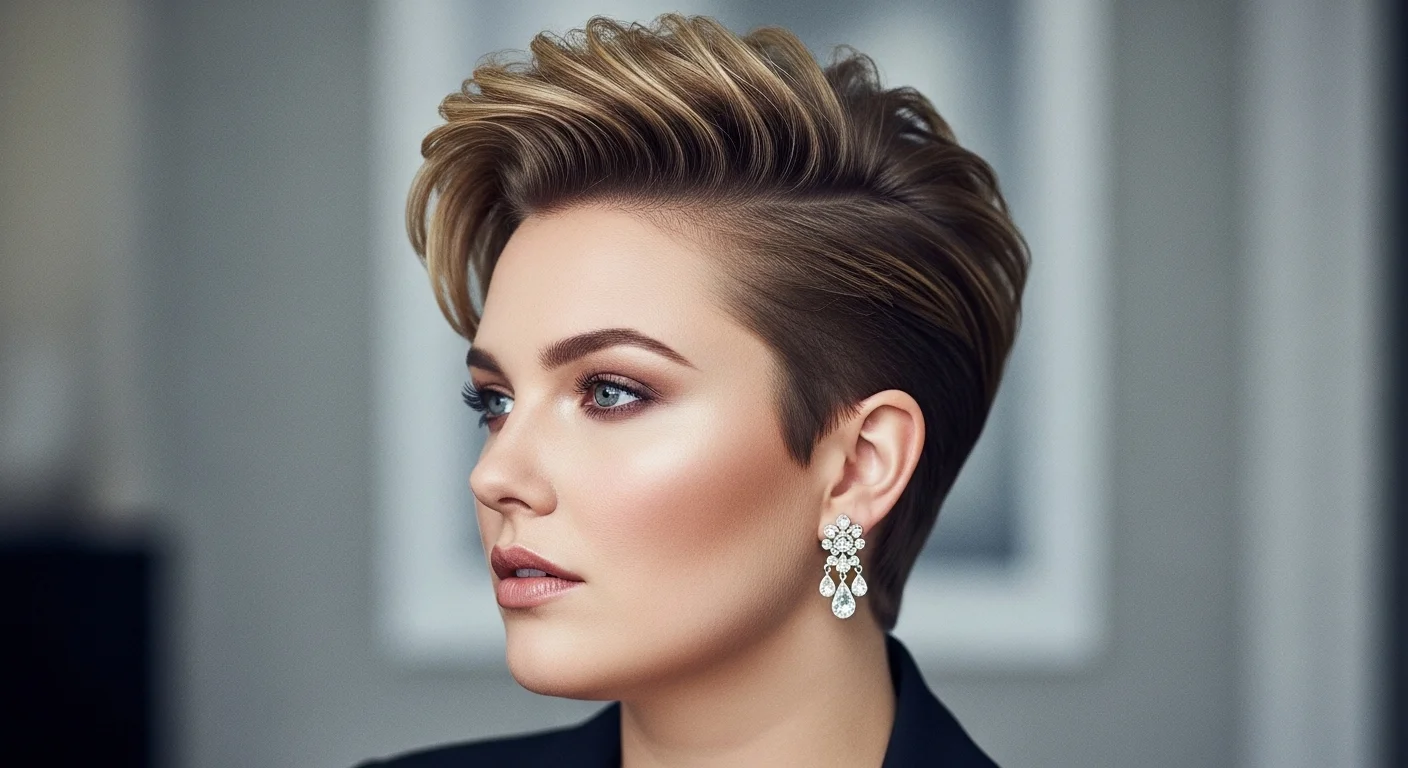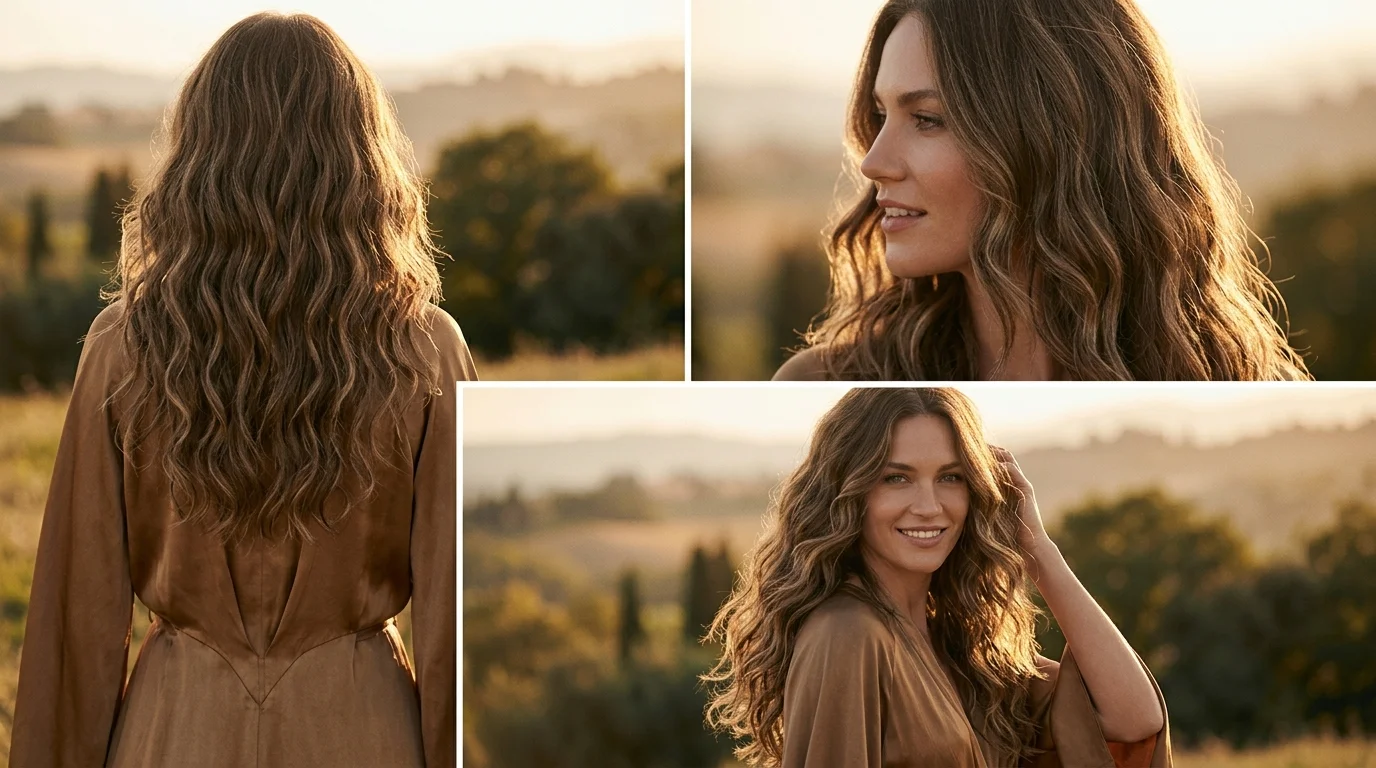

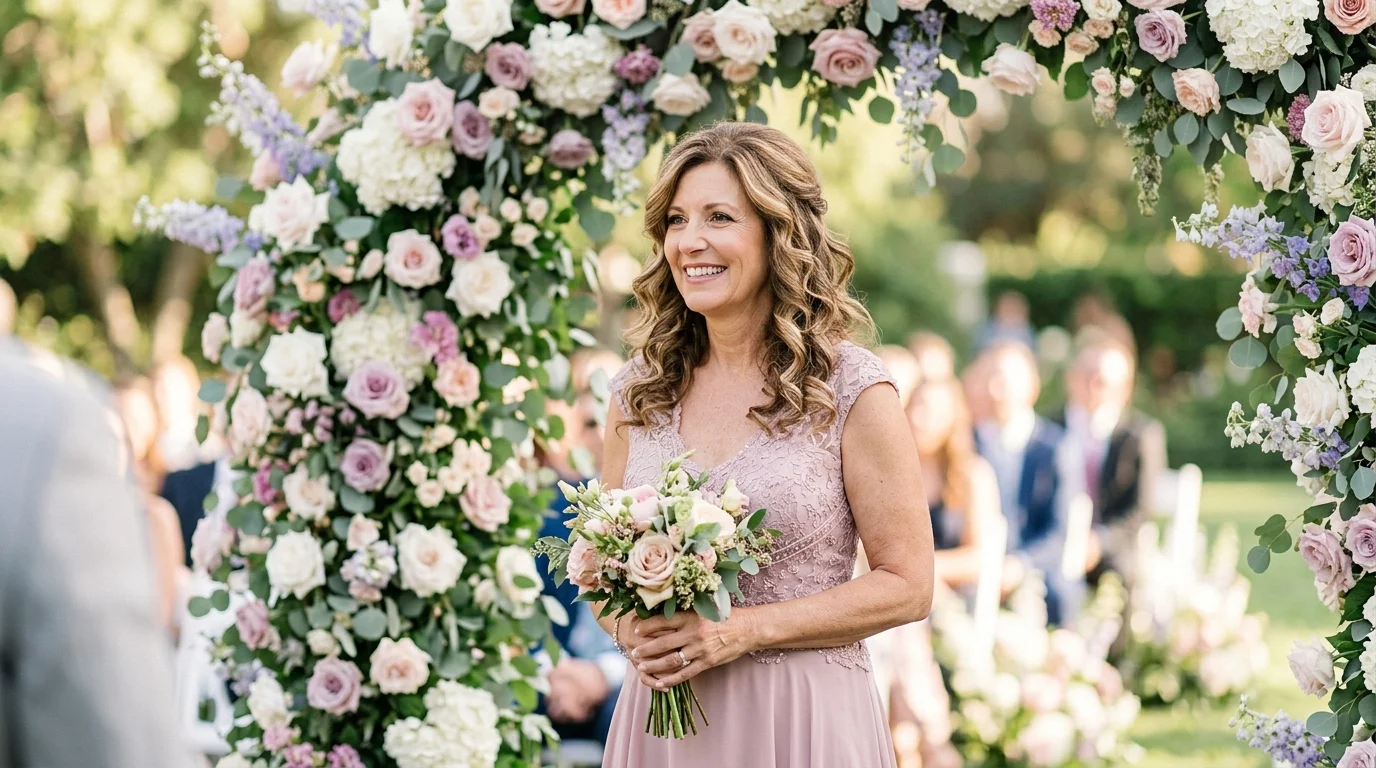
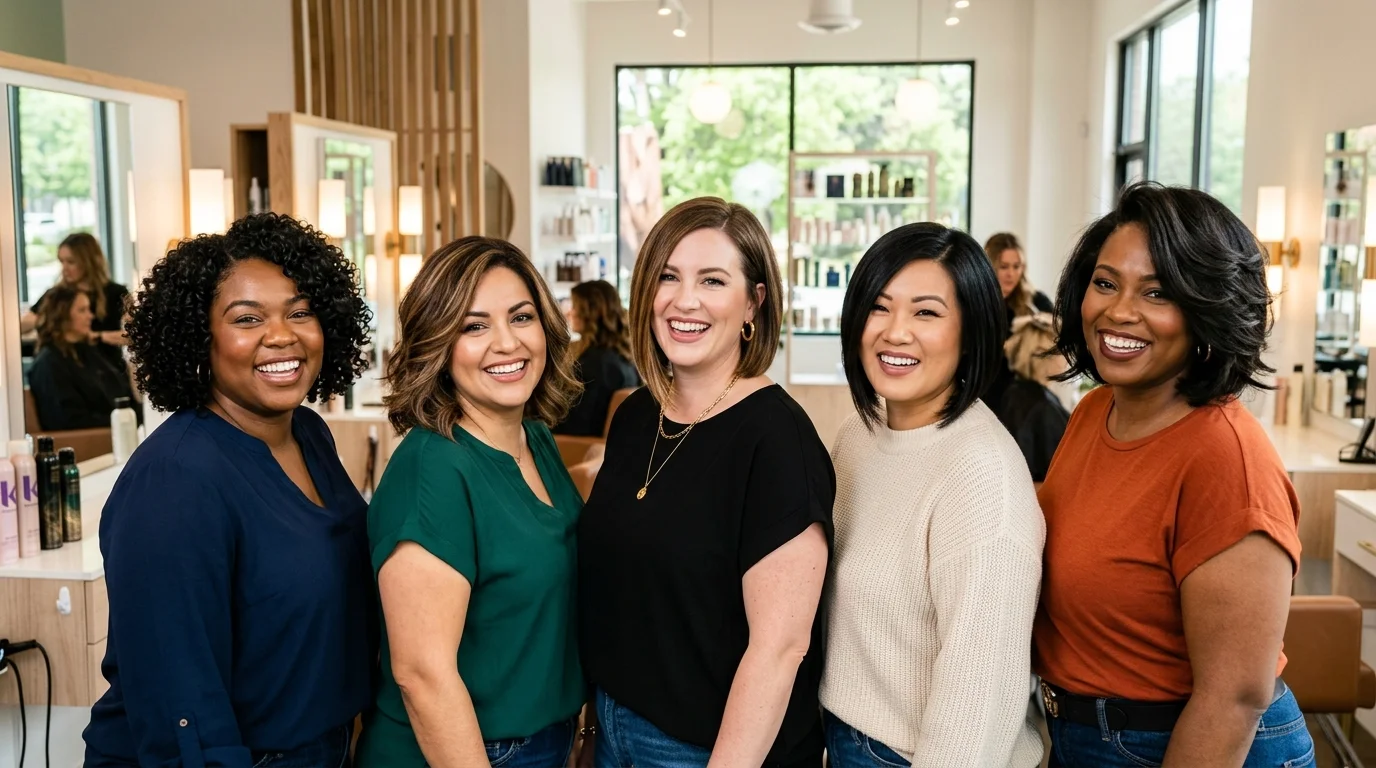
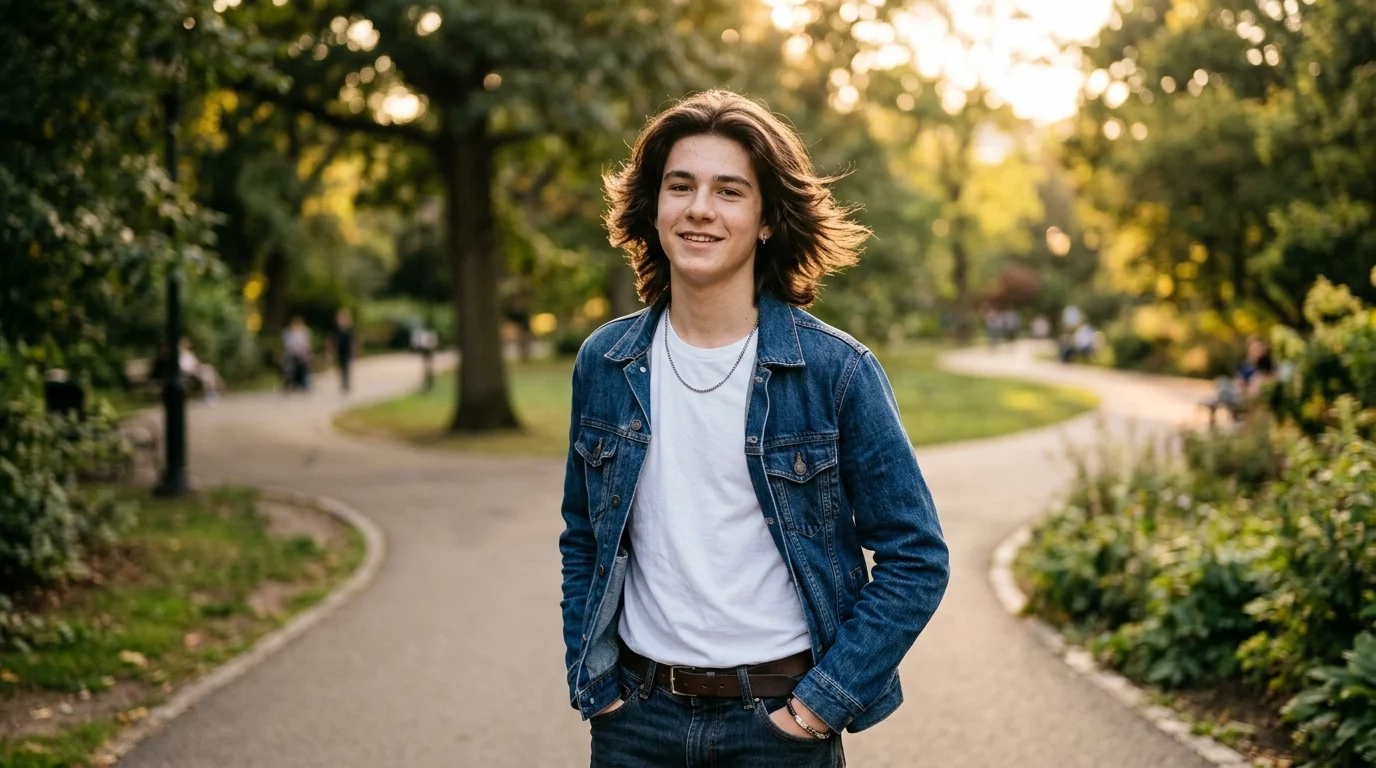

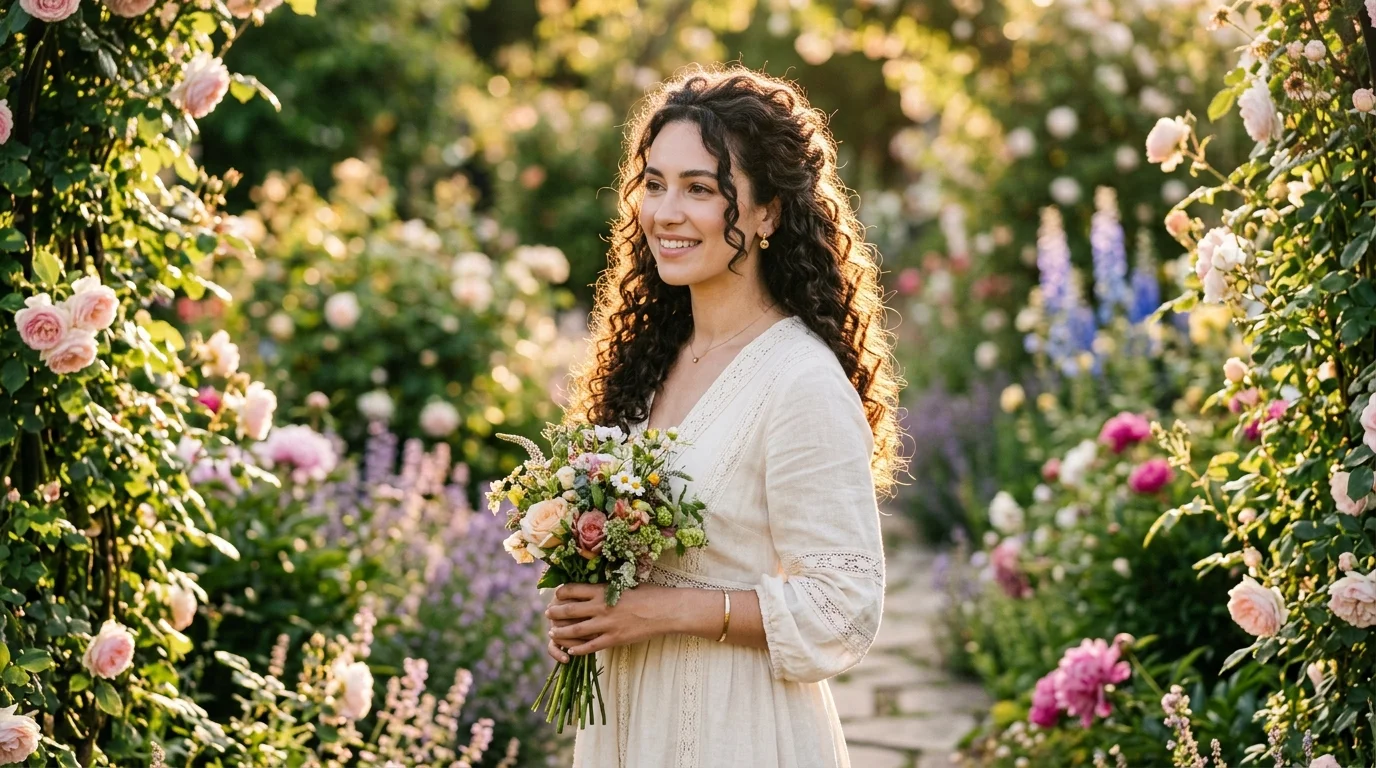

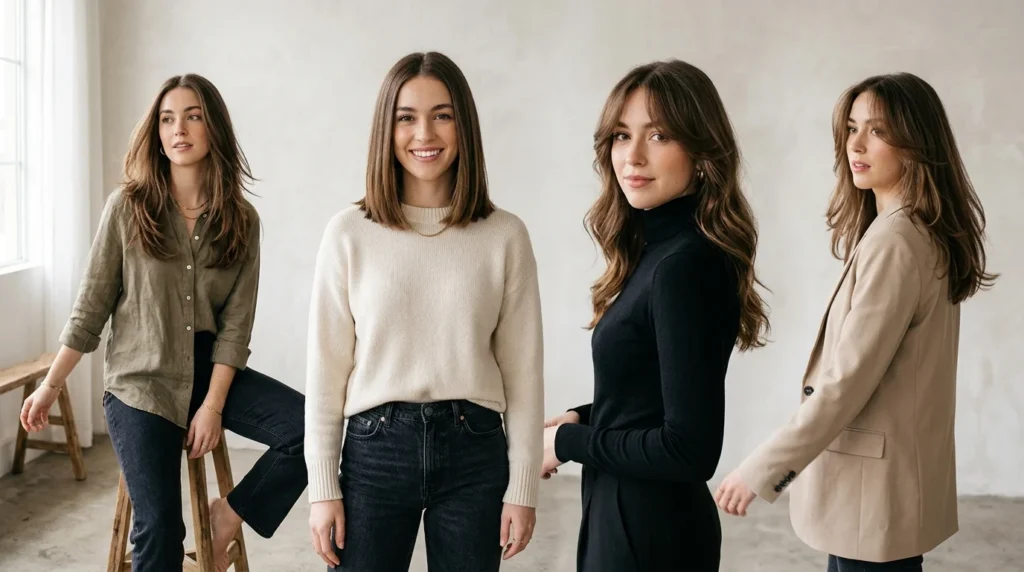
Long thin hair often feels difficult to manage because it can sit flat, lose shape, and show sparse ends. The right haircut changes how the hair sits on the head. It creates visual weight where it matters and removes heaviness where it drags the style down. The focus stays on cuts that make hair appear fuller without relying on constant styling. Shoulder-length shapes, blunt edges, soft internal layers, and face-framing details play a strong role in creating that fuller look.
1. Blunt Lob for Fuller Ends
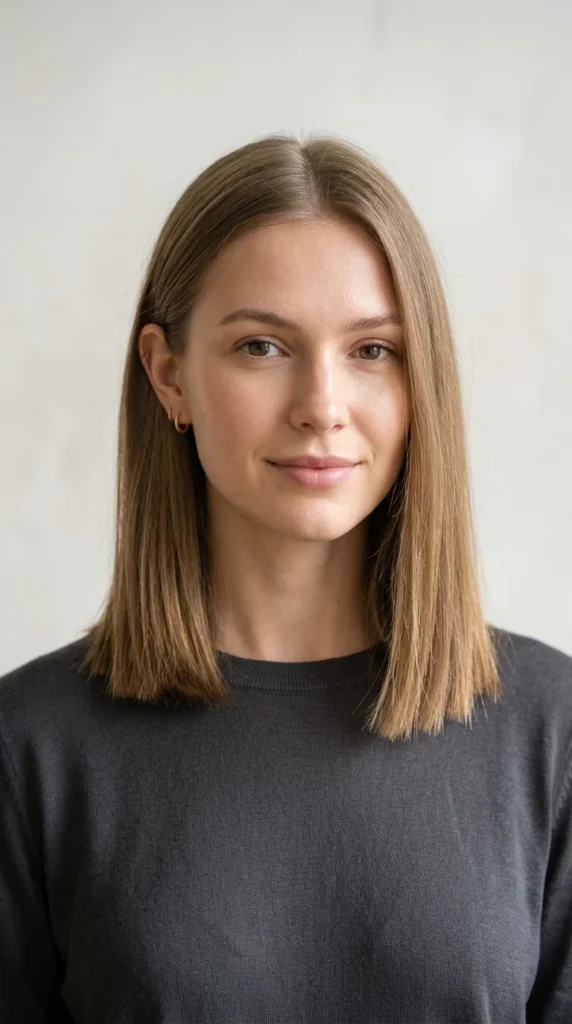
A blunt lob sits around the collarbone and creates a strong, even outline that instantly changes how thin hair appears. The straight edge at the bottom removes wispy, uneven ends that often make long hair look sparse. Instead of strands tapering out, the hair falls in a solid shape that feels more structured. This simple change in length helps the hair look naturally fuller without needing heavy styling or products. The cut also keeps enough length for different styling options, so it does not feel too short or restrictive.
The beauty of this style is how easy it is to maintain in daily life. Hair can be worn straight for a clean look or softly waved for movement without losing shape. It does not collapse quickly because the blunt edge holds the outline in place. A light mousse or root spray can be used when extra lift is needed, but the haircut itself does most of the work. This makes it a practical choice for anyone who wants a fuller look without constant effort.
2. Shoulder-Length Cut That Stops Flatness
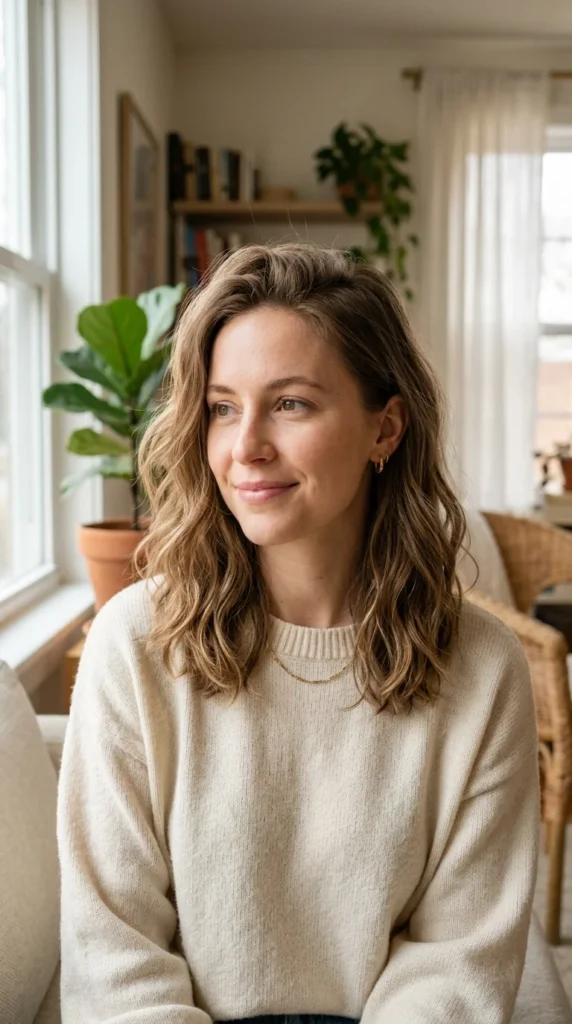
Shoulder-length hair works well for thin strands because it removes the extra weight that pulls hair downward. When hair goes much below this point, it often starts to sit flat and lose shape. Cutting it to shoulder level helps the hair sit away from the scalp with more natural lift. The ends also look healthier because they are not stretched out over too much length. This creates a balanced look where the hair feels lighter but still full enough to style in different ways.
This length is also easy to manage in everyday routines. It can be air-dried for a soft, natural finish or quickly blow-dried for more shape without spending much time. The hair naturally gains movement because it is not weighed down by long lengths. A small amount of dry shampoo at the roots can refresh volume during the day. This cut works well for anyone who wants simple upkeep while avoiding the flat look that often comes with longer hair.
3. Classic Blunt Bob for Density Illusion
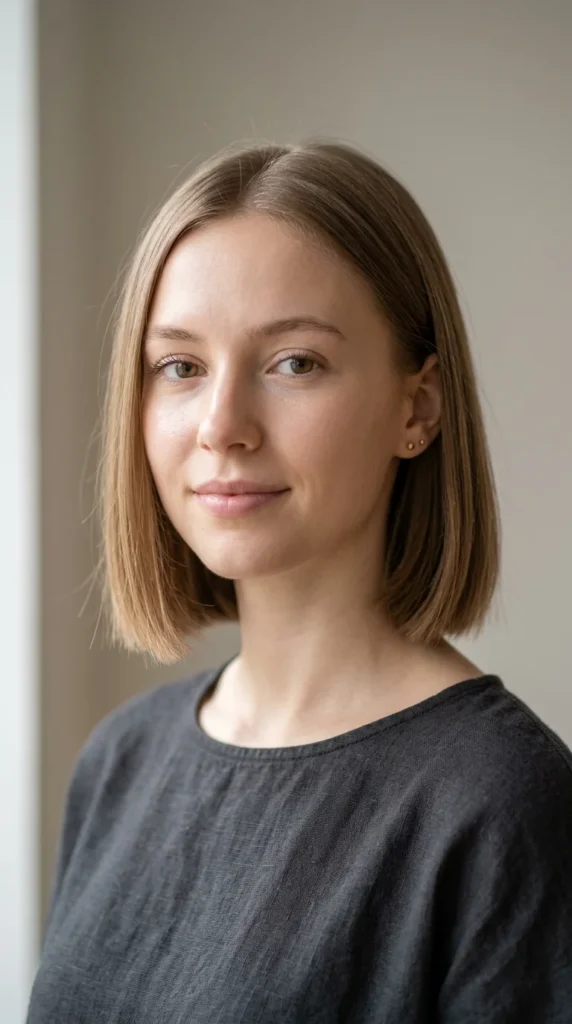
A blunt bob is one of the strongest choices for making thin hair appear fuller because it creates a sharp, clean edge at the chin. This even line removes all uneven tips that usually make hair look weak or see-through. Instead of the hair thinning out at the bottom, it forms a solid shape that looks denser and more controlled. The shorter length also helps the hair avoid falling flat against the head, which is a common issue with longer styles.
This haircut stays simple to style and does not require complicated routines. A quick brush or light blow-dry is often enough to bring it into shape. It works well for straight textures and can also hold soft bends for a more relaxed finish. Adding a bit of texture spray or light mousse helps maintain body throughout the day. The overall effect is neat, structured hair that looks fuller without extra effort.
4. Soft Invisible Layers for Natural Movement
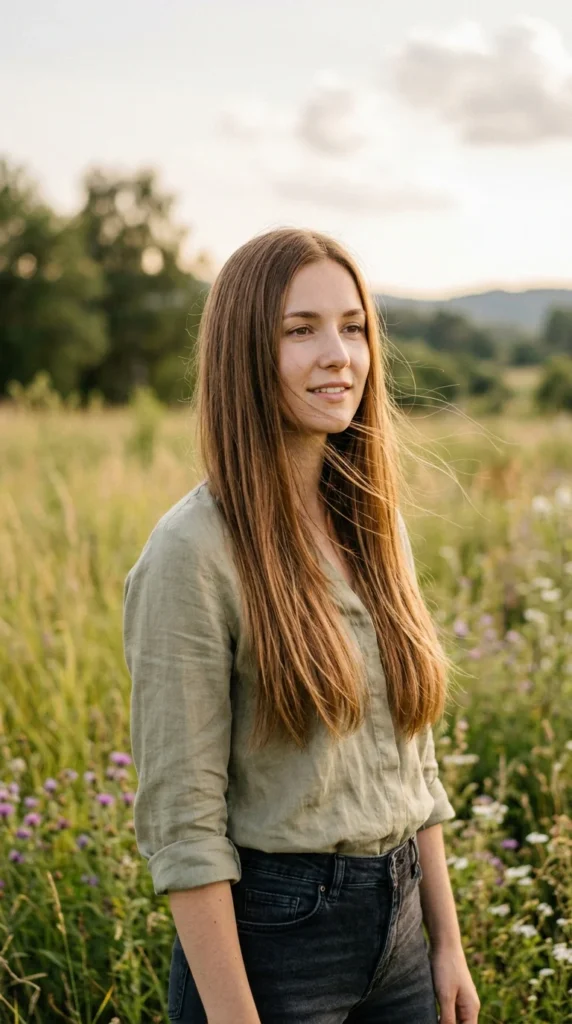
Invisible layers are placed inside the haircut rather than on the surface, so they are not easily visible. This technique removes internal weight while keeping the outer shape smooth and full. It allows the hair to move more freely instead of sitting flat against the scalp. The result is a soft, natural flow that adds life to thin hair without creating obvious gaps or choppy sections.
This type of layering is especially useful for long hair that needs movement but not thinning. The ends still look solid because the outer line is preserved. Hair gains gentle lift and feels less heavy overall. Styling stays simple with air-drying or light texturizing products that support natural flow. It works well for anyone who wants movement without losing density at the ends.
5. Face-Framing Pieces for Dimension
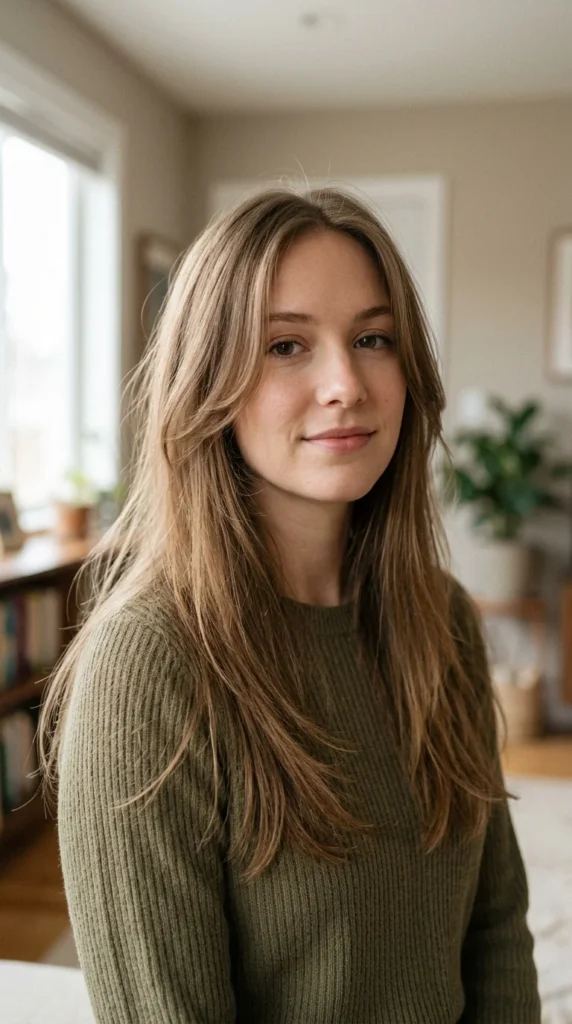
Face-framing pieces are short front sections that blend into longer hair and create instant dimension around the face. They shift attention upward, which helps reduce focus on thin or sparse ends. This small adjustment makes the overall hairstyle look more structured without changing the full length. The front strands naturally soften the face shape and add visual interest.
These pieces are easy to maintain and fit into almost any hairstyle. They can be worn loose, tucked behind the ears, or lightly styled with a bend for extra shape. Because they are not heavy or thick, they blend smoothly into the rest of the hair. Simple air-drying or quick heat styling keeps them in place. This makes them a practical option for adding detail and fullness without major changes.
6. Curtain Bangs for Soft Front Volume
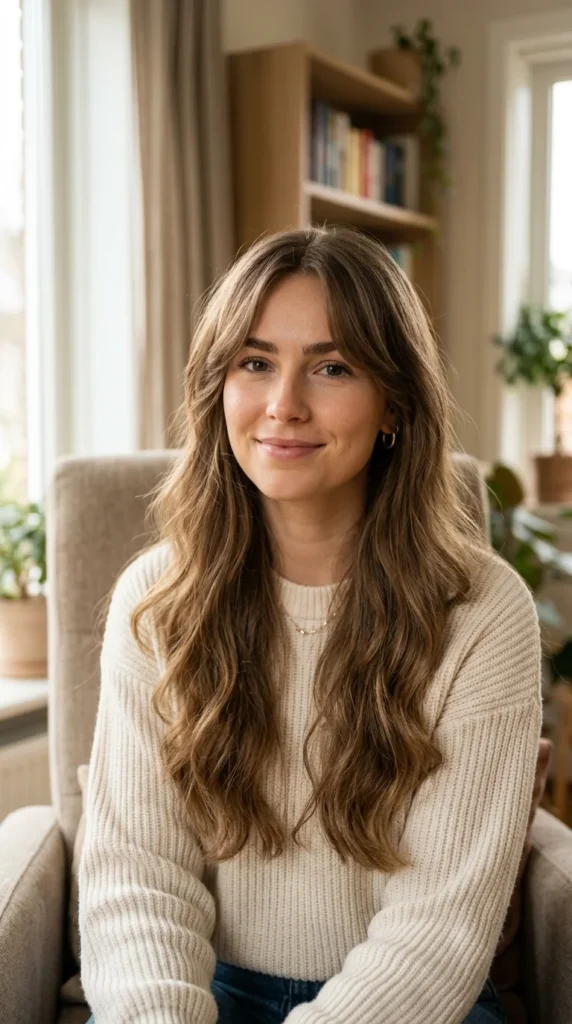
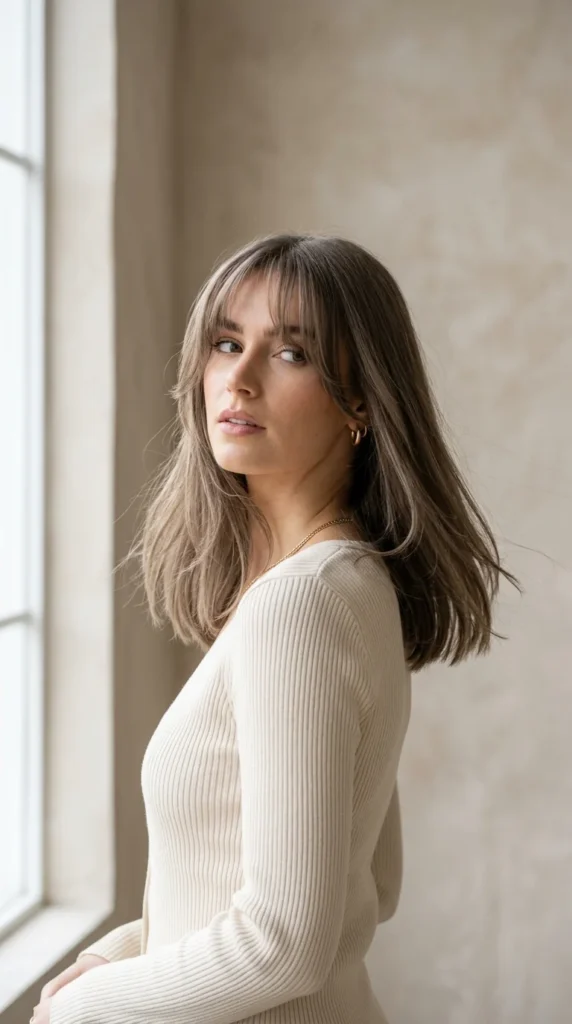
Curtain bangs sit softly on both sides of the forehead and create a natural opening that adds instant shape to thin hair. The middle part helps distribute hair evenly, which stops the front from looking flat or heavy on one side. These bangs blend into the rest of the hair instead of sitting as a separate block, so the overall style feels light and connected. They also bring attention to the face, which helps balance out thinner ends.
This style works well for everyday wear because it does not need constant styling. A quick blow-dry with a round brush or even air-drying can keep the shape soft and flowy. The bangs grow out in a natural way, so maintenance stays simple. They pair easily with both straight and wavy textures, making them flexible for different routines. A light touch of styling cream can help keep them in place without making them stiff.
7. Side-Swept Fringe for Balanced Shape
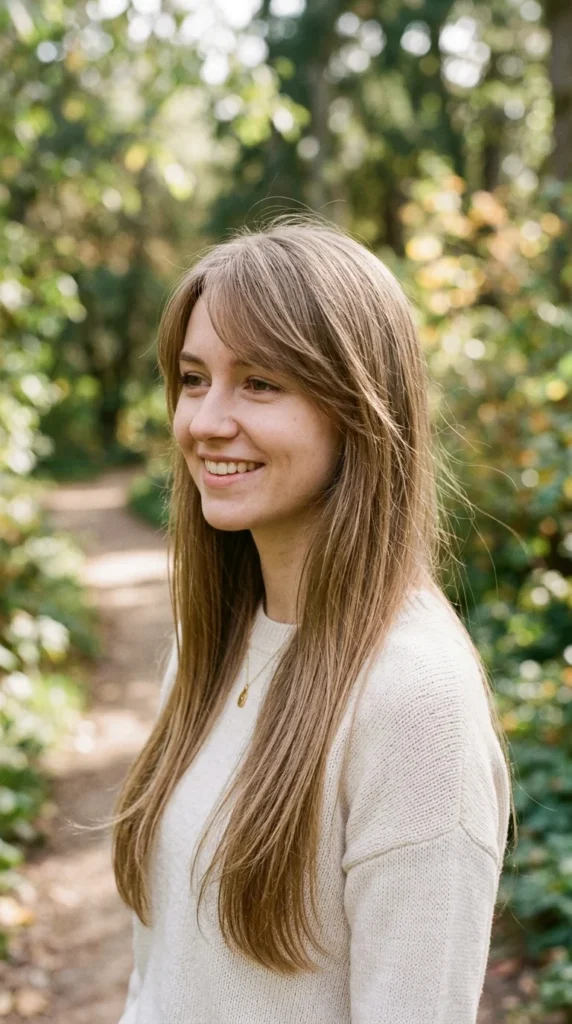
Side-swept fringe adds a diagonal flow that breaks up the straight fall of long thin hair. This angled direction creates a soft illusion of fullness around the front area. It helps shift attention away from flat roots and thin ends by adding movement across the face. The style feels relaxed and does not look too structured, which suits natural, everyday hair.
This fringe is easy to manage and does not require heavy upkeep. It can be styled quickly by brushing it to one side or letting it fall naturally after drying. It blends into long hair without sharp separation, so it feels soft and continuous. A bit of dry shampoo at the roots helps keep volume in place throughout the day. It works well for both casual and slightly dressed-up looks without extra effort.
8. Long Hair with Blunt Ends
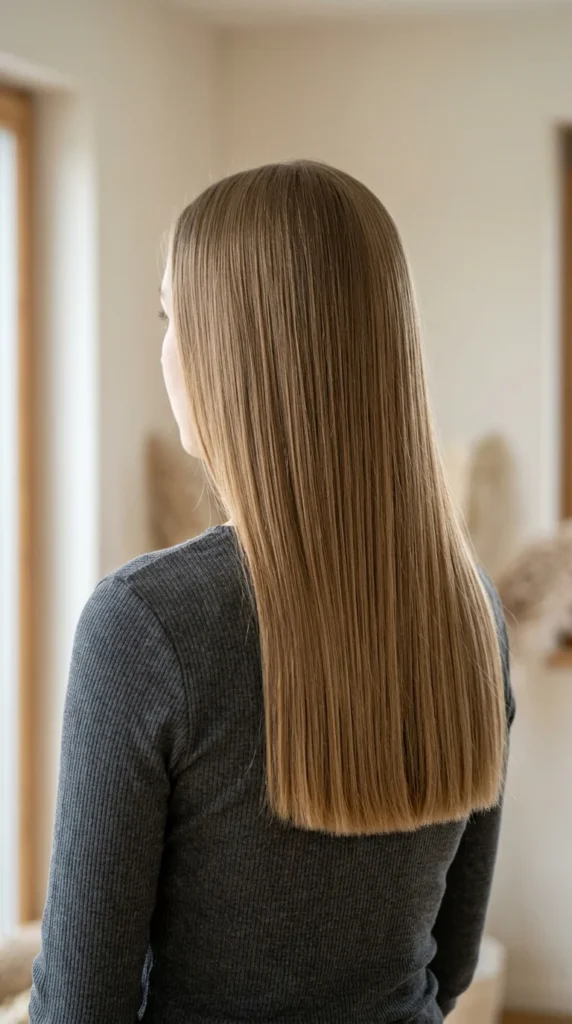
Long hair with blunt ends helps reduce the wispy effect that often appears in thin strands. Instead of tapering out, the hair is cut into a straight, even line that makes the bottom look stronger. This simple change improves how dense the hair appears, especially when worn down. It keeps the length intact while fixing the weak-looking ends that usually come with fine hair.
The style works well for people who want to keep long hair but still want structure. It does not require complex layering or heavy shaping. Hair can be worn straight for a clean finish or slightly waved for soft movement. A light serum at the ends helps maintain a neat outline. This cut also pairs well with minimal styling routines, making it practical for daily wear.
9. Mid-Length Lob with Internal Shaping

A mid-length lob with internal shaping removes weight from inside the hair while keeping the outer length clean and full. This technique helps create movement without exposing thin or uneven layers on the surface. The result is a soft shape that looks natural and balanced. It prevents hair from falling flat while still keeping a smooth outline.
This cut works especially well for people who want volume without obvious layering. The internal shaping allows hair to lift slightly at the roots and move more freely. It is easy to style with air-drying or light blow-drying. A small amount of mousse can help add body without making the hair stiff. The overall finish feels soft, light, and easy to manage.
10. Airy Butterfly-Inspired Cut
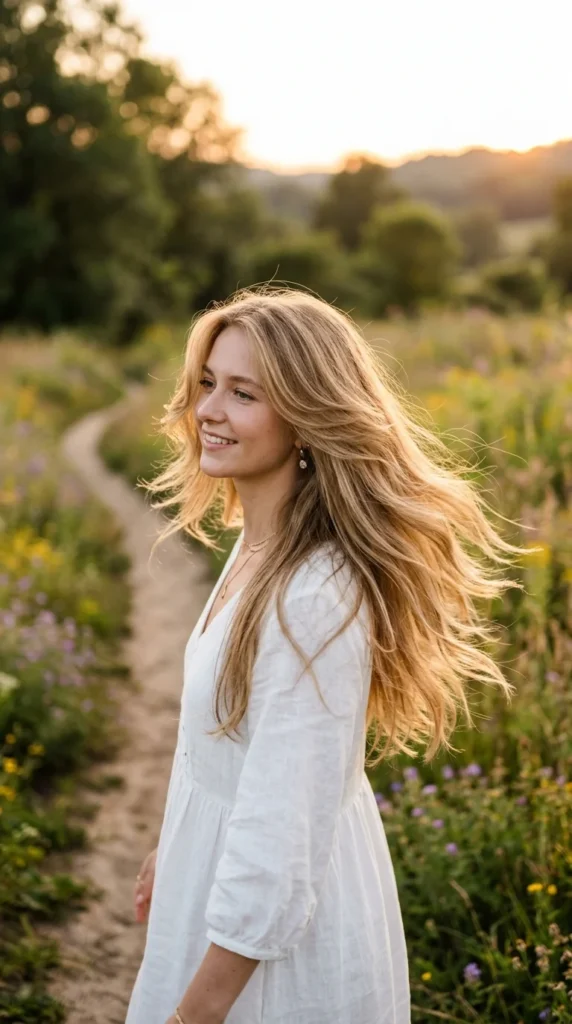
The butterfly-inspired cut creates a lifted shape at the crown while keeping length in the lower sections. Shorter layers around the top add volume near the roots, which helps thin hair avoid a flat appearance. The longer ends remain intact, so the hair still feels full and flowing. This combination gives a soft, airy effect that looks natural and light.
The style works best with minimal effort and soft styling routines. Air-drying or gentle blow-drying helps the layers fall into place without needing heavy tools. Texture spray can be used lightly to add separation and movement. It suits people who want visible volume at the top while still keeping long hair length.
11. Collarbone Cut for Lightweight Volume
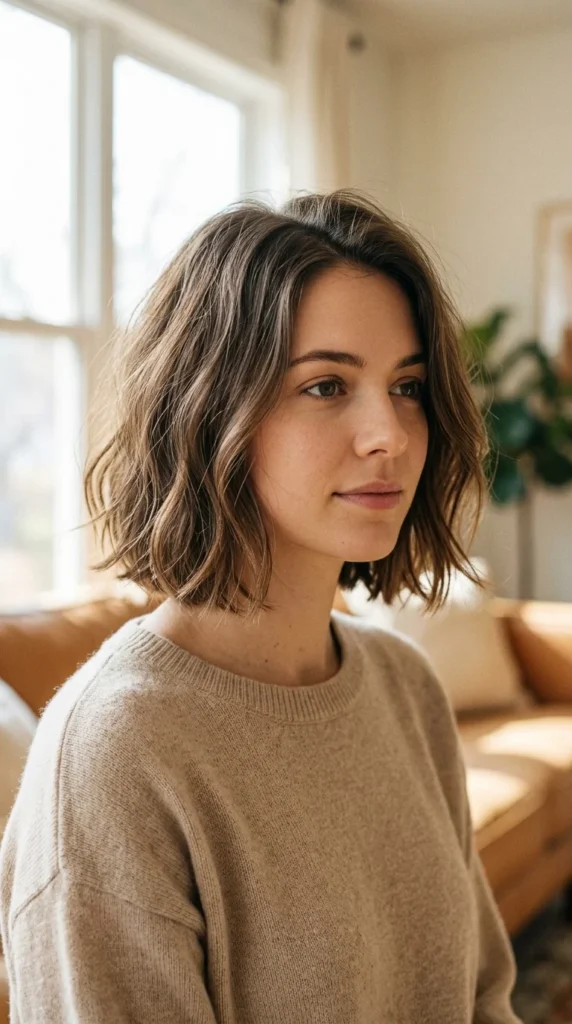
A collarbone cut sits right at the point where long hair starts to feel lighter and more controlled. This length removes extra weight that often drags thin strands downward. The result is a shape that looks more open and airy around the shoulders. Hair appears fuller because it is not stretched across too much length, which helps the ends look healthier and more even.
This cut also works well for low-maintenance routines. It can be air-dried for a relaxed finish or lightly styled with a blow-dryer for added shape. The movement feels natural because the hair is not overloaded with length. A small amount of dry shampoo at the roots can help keep lift during the day. It suits anyone who wants simple styling with a fuller appearance.
12. Subtle Crown Lift Layers
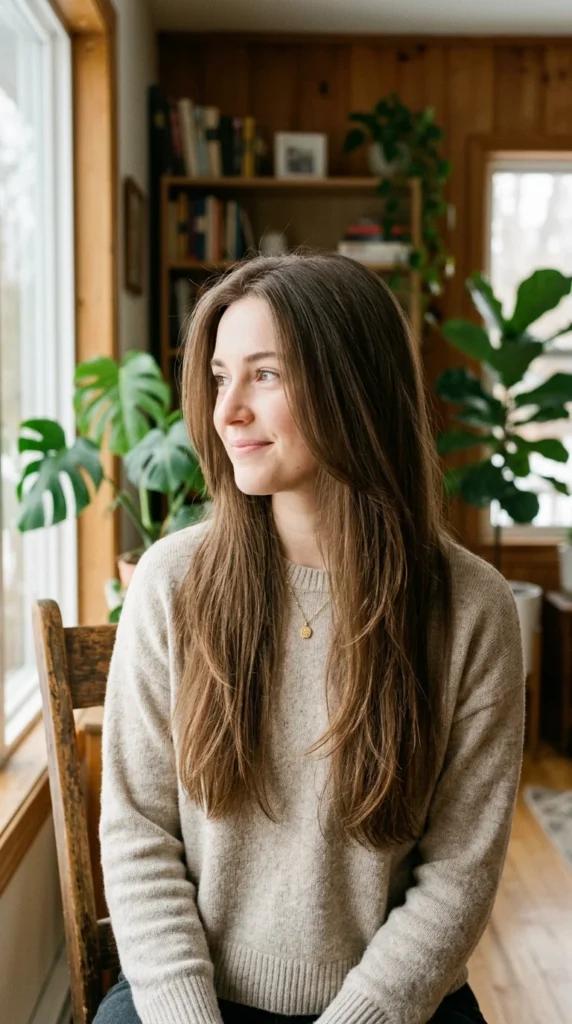
Subtle crown lift layers focus on the top section of the head where flatness is most visible. These light layers remove a bit of weight near the roots so the hair can sit slightly away from the scalp. This creates the appearance of natural lift without obvious or choppy layering. The rest of the hair remains intact, so the ends still look full and even.
This technique is useful for people who struggle with flat roots even after styling. The shape supports volume from the base rather than relying only on products. A quick blow-dry or finger-drying can activate the lift in the crown area. Dry shampoo can also help refresh volume when needed. It keeps the style soft, simple, and easy to maintain.
13. Wavy Texture Cut for Lived-In Finish
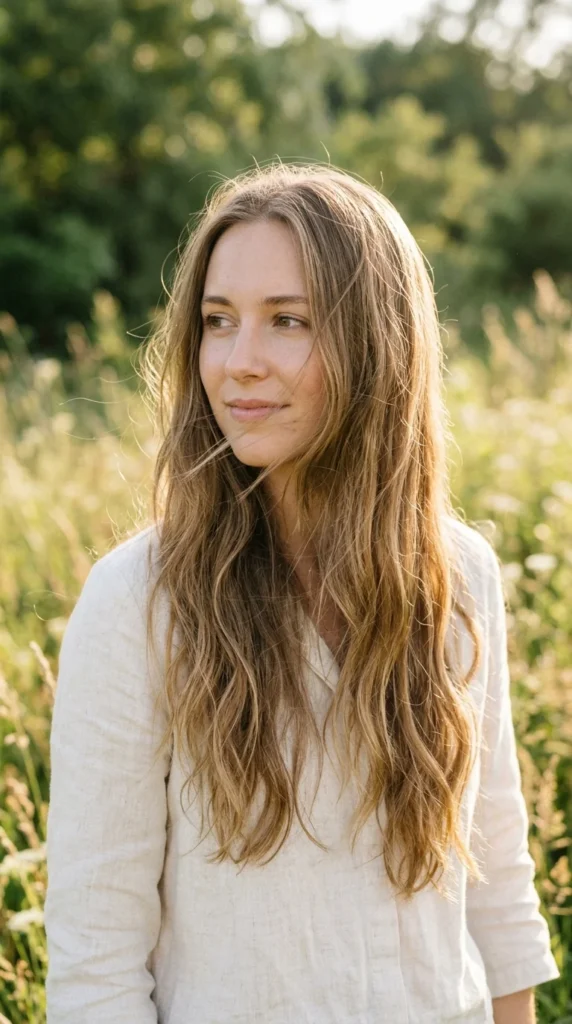
A wavy texture cut works with the natural flow of the hair instead of forcing a strict shape. Light shaping allows waves to form freely, which helps thin hair appear more voluminous. The movement creates soft bends that break up flatness and give the hair a relaxed, lived-in feel. This style avoids heavy structure, focusing instead on natural flow.
The cut is easy to maintain because it does not depend on precise styling. Air-drying often gives the best result, especially when combined with a light texture spray. The waves help create visual fullness even when the hair is fine. It suits casual routines and works well for people who prefer soft, effortless styles without daily heat tools.
14. Minimal Layer Long Cut
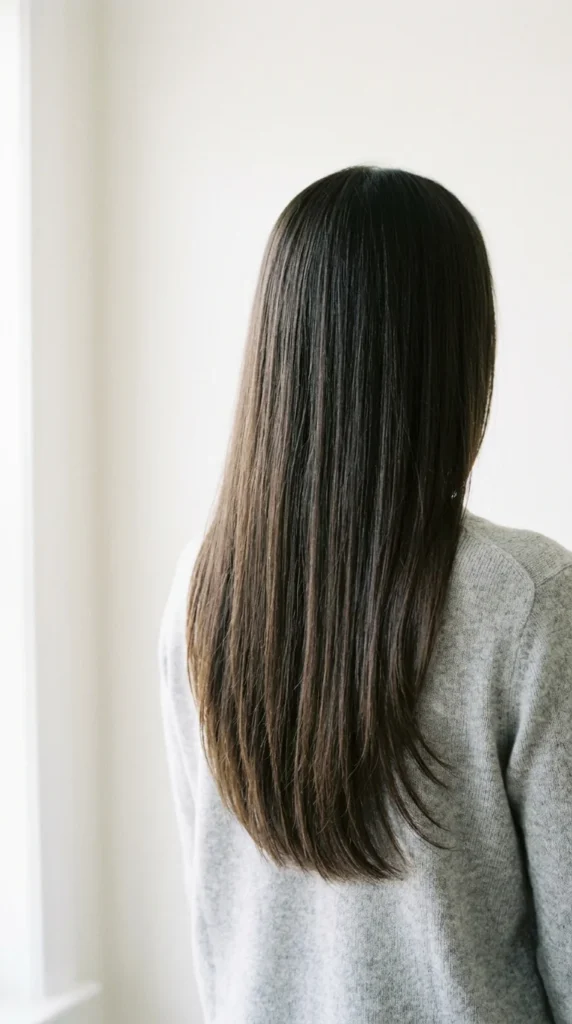
A minimal layer long cut keeps most of the length intact while removing only small amounts of weight. This avoids the common issue of over-layering, which can make thin hair look even sparser. The ends stay even and full, while the light shaping adds just enough movement to prevent flatness. The overall result is simple, clean, and controlled.
This style works well for people who want long hair without losing density at the bottom. It requires very little maintenance and fits easily into daily routines. Hair can be worn straight or slightly textured without losing its shape. A light serum or soft blow-dry helps keep the ends smooth. It is a practical option for a natural, full-looking finish.
15. Root-Focused Volume Cut
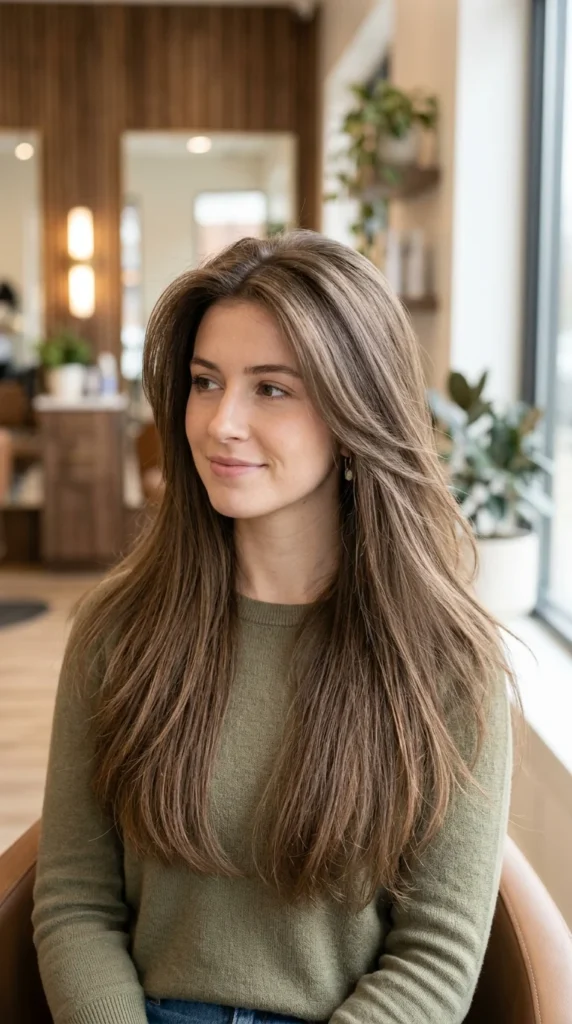
A root-focused volume cut is designed to improve lift at the top of the head where thin hair often falls flat. The shaping around the crown helps hair sit away from the scalp, creating a fuller appearance without changing the overall length. This technique keeps the ends intact while improving height and body near the roots.
This cut works well for people who want visible volume without heavy styling. It supports natural lift, especially when combined with light blow-drying or a quick scrunch at the roots. Dry shampoo or mousse can help maintain the effect throughout the day. The style stays soft and manageable while giving a noticeable boost in fullness at the top.
16. Dark Underlayer Color Trick Cut
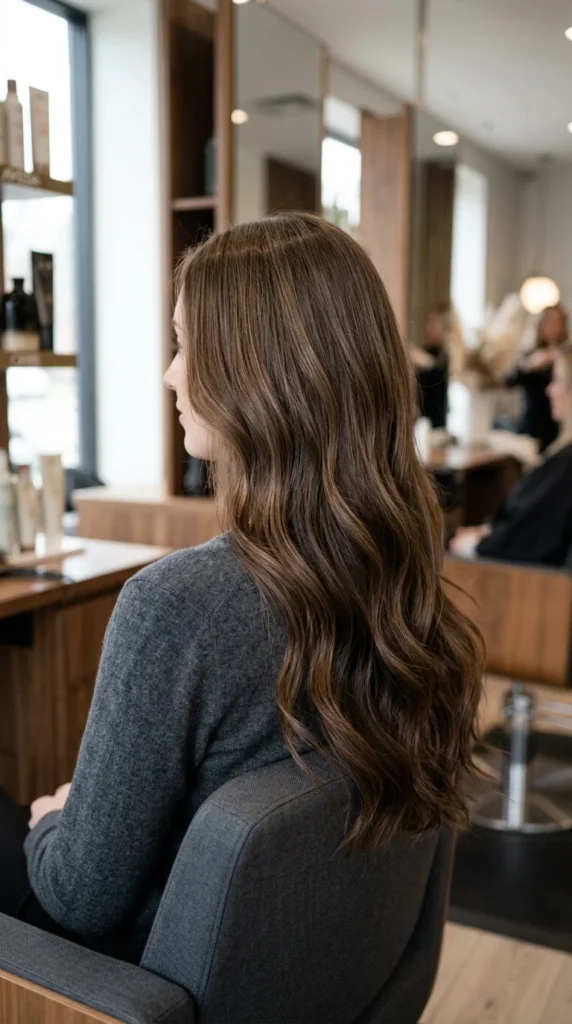
A dark underlayer color technique adds depth beneath the top layer of hair. This contrast creates the illusion of thicker strands because the darker base gives visual weight. From the outside, the hair appears fuller without changing the actual density. The top layer stays soft and natural, while the hidden depth works in the background to enhance shape.
This approach works well for long thin hair that lacks dimension. It does not require a dramatic color change, so maintenance stays manageable. The effect shows best when the hair moves, revealing subtle contrast underneath. Light waves or soft bends help bring out the dimension. It is a simple way to make hair look richer without heavy styling or frequent salon visits.
17. Micro-Trim Maintenance Style
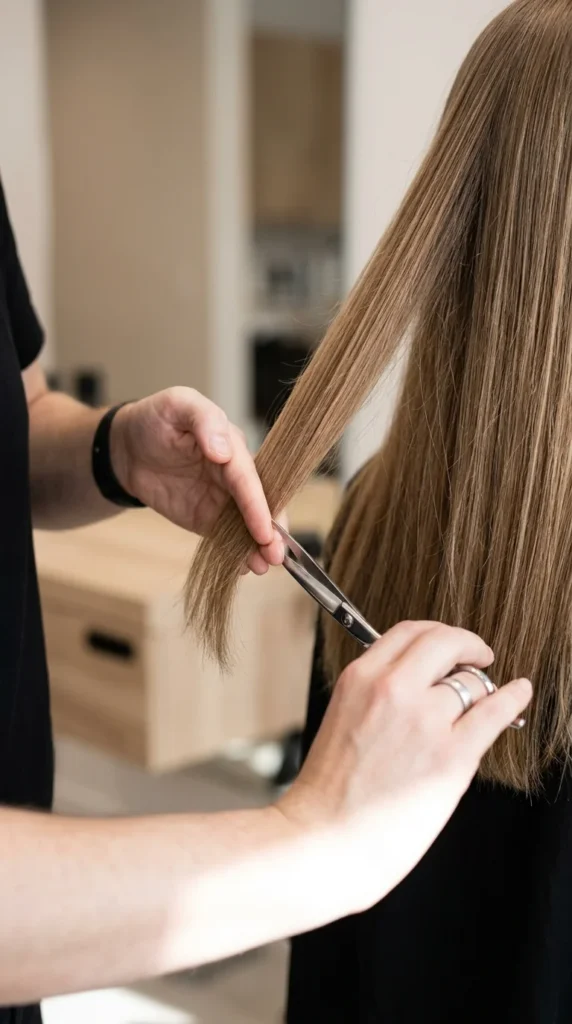
A micro-trim maintenance style focuses on keeping the ends clean with very small, regular trims. Instead of waiting for major cuts, the hair is shaped lightly every few weeks. This prevents split or wispy ends from building up, which often makes thin hair look even finer. The result is a consistently neat outline that holds its shape.
This routine works well for maintaining fullness over time. Even a slight trim can refresh the ends and improve the overall look of density. It does not remove noticeable length, so hair stays long while looking healthier. Combined with simple styling, it keeps the hair controlled and even. It is a practical habit for anyone who wants long hair without losing structure.
18. Low-Maintenance Straight Cut Lob
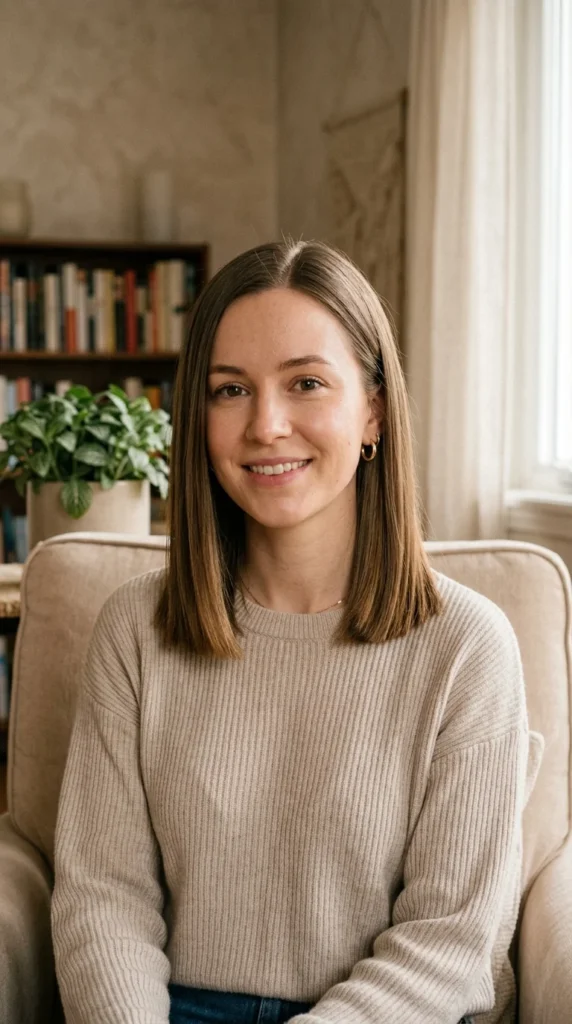
A straight cut lob removes layering completely and focuses on a clean, even shape. This blunt finish helps thin hair appear denser because there are no uneven ends breaking the outline. The length sits around the shoulders, which keeps the hair light and easy to manage. The simplicity of the cut allows the natural texture to show without extra effort.
This style is ideal for low-maintenance routines. It does not require daily styling or complex tools to look neat. A quick air-dry or brush-through is often enough to keep it in shape. Light styling products can be used if needed, but the cut itself provides most of the structure. It works well for people who prefer a simple, controlled look.
19. Soft Graduated Ends Cut
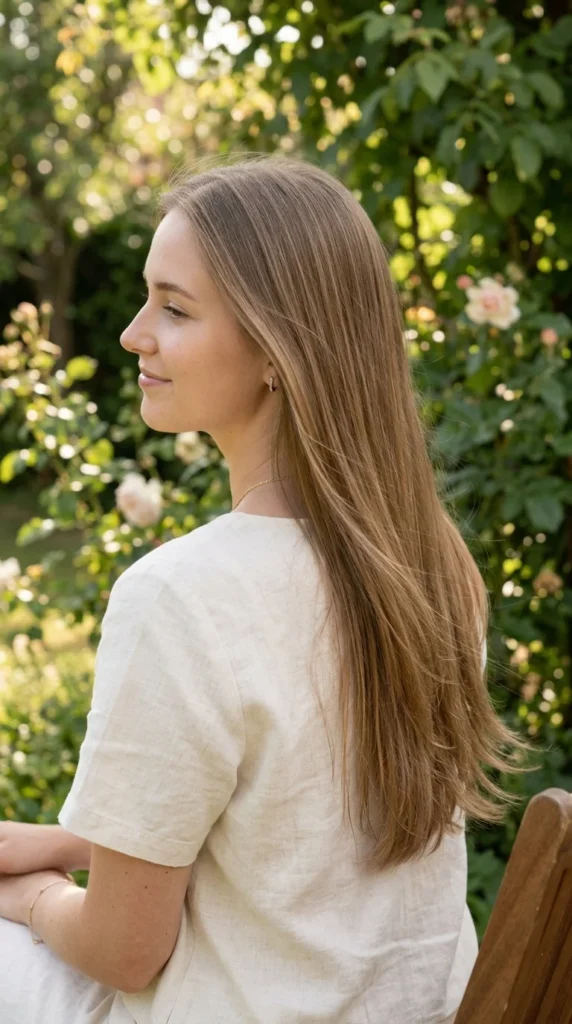
Soft graduated ends create a gentle slope at the bottom of the hair instead of a harsh straight line. This subtle shaping helps thin hair look more natural while still keeping fullness at the ends. The graduation adds a soft flow that prevents the hair from appearing too flat or stiff. It gives a slightly lifted effect without removing too much length.
This cut works well for people who want movement without obvious layering. The ends blend smoothly into the rest of the hair, creating a soft finish. It is easy to style with natural air-drying or light waves. A small amount of texture spray can help define the shape. The result is balanced hair that feels light but still looks full.
20. Long Cut with Strategic Face Framing
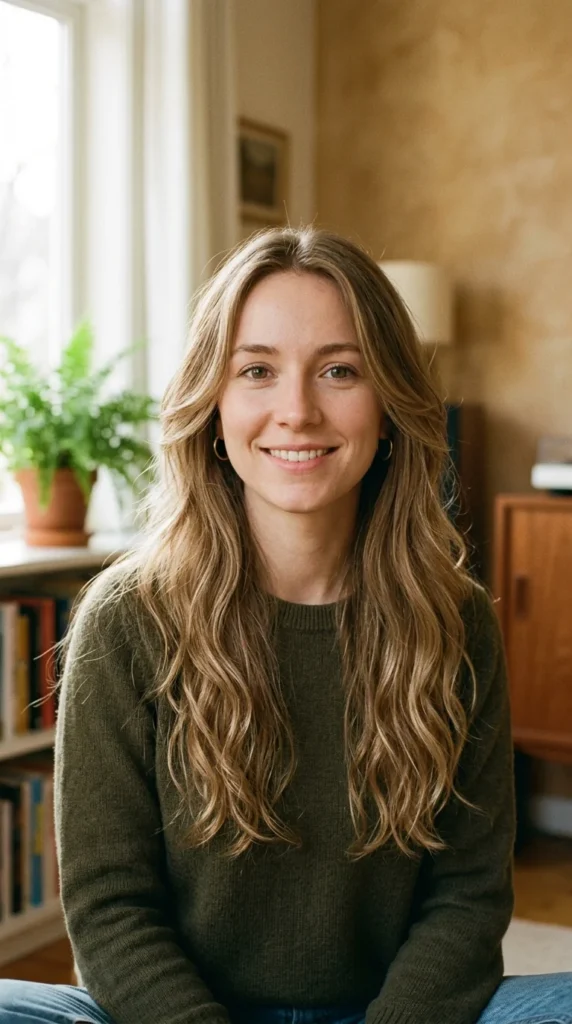
A long cut with strategic face framing keeps the overall length while adding shape around the front. These carefully placed front sections help break up the flatness that often comes with long thin hair. They draw attention toward the face, which creates a more balanced and structured look. The rest of the hair remains long and smooth, maintaining overall coverage.
This style works well for people who want to keep their length but improve appearance. The face-framing pieces blend into the hair, so the cut feels natural and soft. It does not require heavy styling and fits easily into daily routines. Air-drying or light brushing keeps it in place. The result is long hair that looks more shaped and fuller without major changes.
Conclusion
Long thin hair can look fuller when the cut is designed with the right balance of shape, length, and soft structure. Blunt edges, shoulder-length cuts, invisible layers, and face-framing details all work together to stop flatness and create natural-looking volume. Instead of relying on heavy styling, the haircut itself does most of the work by giving the hair a stronger outline and better movement. Small choices like reducing over-layering or adding subtle lift at the crown can completely change how dense the hair appears in daily life.
If you are planning your next haircut, bring a reference from these ideas and talk clearly with your stylist about keeping the ends fuller while adding soft structure. A simple change in technique can make long thin hair look healthier and more balanced without extra effort.