

If your long hair feels flat, heavy, or shapeless, the solution isn’t chopping it off. It’s choosing a cut that adds movement without losing length.
That’s the real secret behind flattering long hair in 2026: keep your length, gain shape.
Face shape is your biggest decision filter. The right layers, bangs, and parting can make your features look softer, longer, or more balanced—without dramatic changes.
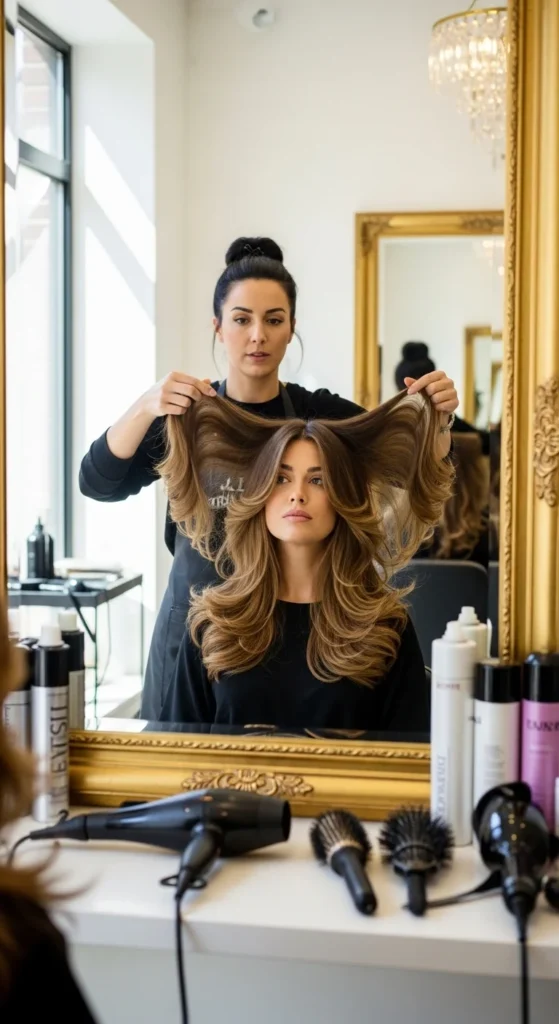
Let’s break this down into a simple, practical guide you can actually use before your next salon visit.
Step 1: Identify Your Face Shape First
Most haircut mistakes happen because people choose trends before checking if they suit their face.
Here’s what works best for each shape:
Round Face
Goal: elongate and slim
- Long layers that start below the chin
- Face-framing layers to create vertical lines
- Middle or slightly off-center part
- Curtain bangs that split and lengthen the face
Avoid: Blunt ends that make the face look wider.
Square Face
Goal: soften strong angles
- Soft, seamless layers
- Wispy, blended face-framing pieces
- Side part for softness
- Curtain bangs or side-swept fringe
Avoid super straight blunt cuts.
Oval Face
Goal: maintain balance
- You can wear almost anything
- Butterfly cut, long layers, or even a lob
- Middle part works beautifully
- Curtain bangs optional
Heart Face
Goal: balance a wider forehead and narrow chin
- Layers that start around the jaw
- Curtain bangs to reduce forehead width
- Side or middle part both work
Diamond Face
Goal: soften cheekbone width
- Face-framing layers
- Side part
- Wispy bangs or curtain fringe
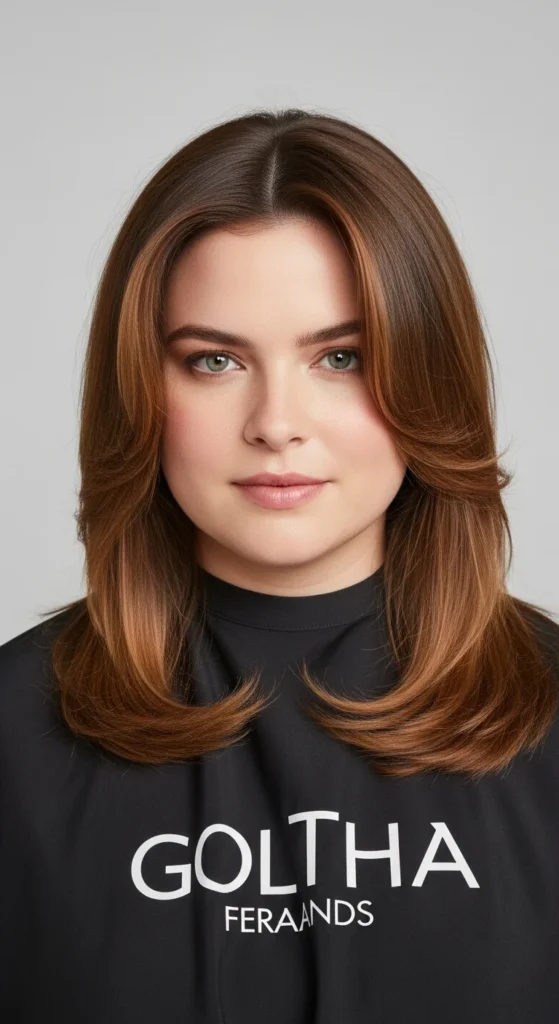
Step 2: Long Layers vs Blunt Ends (Who Should Choose What)
This is where many people get confused.
Choose Long Layers if you want:
- Movement and dimension
- Low-maintenance styling
- Hair that air-dries nicely
- A soft, flattering shape
- To keep your length but remove heaviness
Choose Blunt Ends if you want:
- Sleek, polished look
- Thick, full bottom line
- Straight styling daily
- A chic, high-maintenance finish
Blunt ends are stunning—but less forgiving. Long layers are the safest, most flattering default for most face shapes.
Step 3: Face-Framing Layers Are Not Optional Anymore
Face-framing layers used to be a small detail. Now, they’re a core feature of modern long haircuts.
They:
- Highlight cheekbones
- Add softness around the face
- Make ponytails and buns look styled
- Need trims every 6–8 weeks
Ask for: “Soft, blended face-framing layers that start around my cheekbones.”
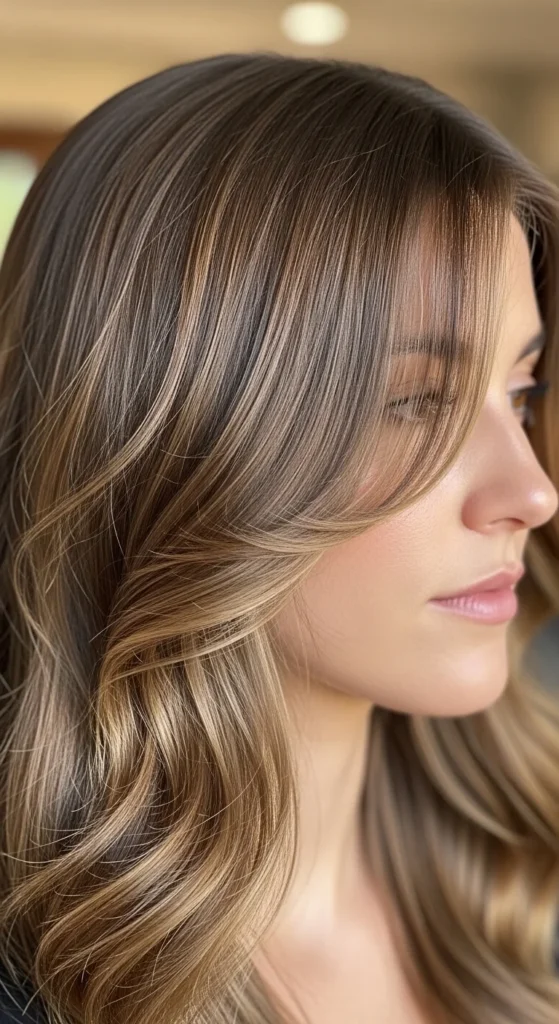
Step 4: Bangs or No Bangs? (Quick Decision Rules)
Curtain bangs are everywhere for a reason. They suit almost every face shape.
Choose curtain bangs if
- You wear a middle part
- You want to hide forehead width
- You like soft, wispy movement
- You don’t mind light styling
Skip bangs if:
- You always air-dry and don’t style the front
- You prefer tying hair back daily
Curtain bangs grow out beautifully into face-framing layers, which makes them low risk.
Step 5: The Butterfly Cut – The 2026 Favorite
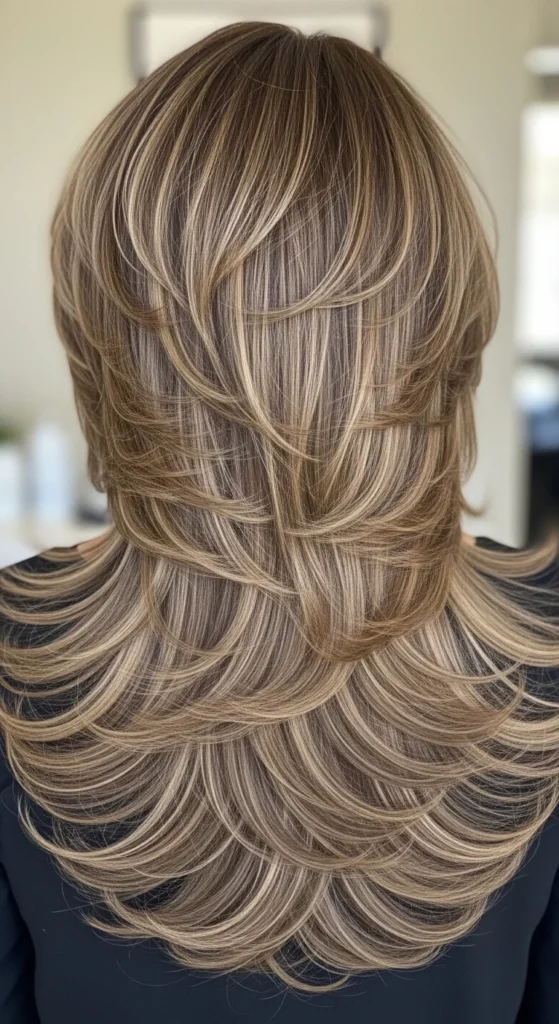
The butterfly cut is dominating long-hair trends because it creates volume at the crown while keeping length.
It’s perfect if:
- Your hair feels flat on top
- You want fullness without losing inches
- You love bouncy, dimensional layers
This cut combines short layers near the top with long layers underneath for shape and lift.
Step 6: Choose Based on Your Hair Texture
Straight Hair
- Needs layers to avoid looking flat
- Butterfly cut and long layers work best
- Blunt cuts require daily styling
Wavy Hair
- Loves face-framing layers
- Air-dries beautifully with long layers
- Curtain bangs blend naturally
Curly Hair
- Needs internal weight removal
- Layers prevent triangle shape
- Avoid blunt ends
Step 7: Match the Cut to Your Lifestyle
Ask yourself:
- Do you wear a bun or ponytail daily?
- Do you air-dry or blow-dry?
- How much time do you style?
If you air-dry:
Choose long layers, face-framing pieces, or a soft shag.
If you blow-dry:
Butterfly cut, curtain bangs, or a lob look amazing.
If you heat-style often:
Blunt ends or sleek layered cuts work well.
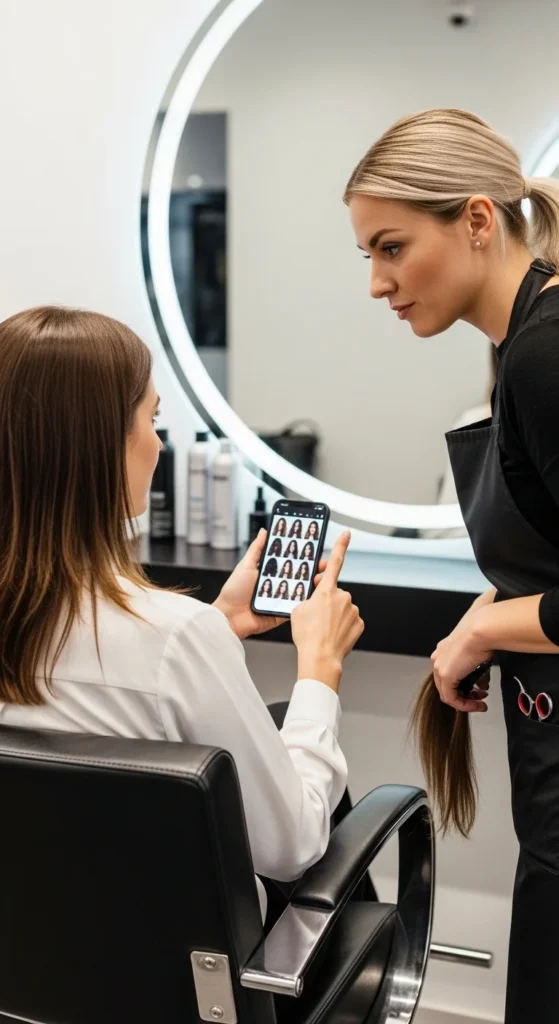
Step 8: The “What to Say to Your Stylist” Translation Guide
Salon words can be confusing. Use these phrases:
- “I want to keep my length but add shape.”
- “Please remove weight so my hair doesn’t feel heavy.”
- “I’d like soft, seamless layers.”
- “Add face-framing layers around my cheekbones.”
- “No blunt ends at the bottom.”
And always bring 3–6 inspiration photos.
Quick Glossary (So You Sound Like a Pro)
- Weight line: Where hair feels heavy at the bottom
- Graduation: Stacked shape for volume
- Seamless layers: Invisible blended layers
- Face-framing: Shorter pieces around the face
- Internal shaping: Removing bulk without losing length
60-Second Haircut Decision Checklist
- Face shape identified
- Texture considered
- Styling routine clear
- Want bangs or not
- Prefer layers or blunt ends
Now you’re ready to choose your cut instead of guessing.
Final Takeaway
The best long haircut in 2026 isn’t about trends. It’s about soft shape, natural movement, and low maintenance.
You don’t need to lose inches to love your hair again. You just need the right layers, the right framing, and the right words to ask for in the chair.
Find your match, show your stylist, and keep your length with confidence.
Leave a Reply