

Discipline shapes outcomes long before results appear. Winners are not driven by mood or luck. They rely on repeatable habits that guide daily choices. This listicle breaks discipline into clear, affordable actions you can apply right away. Each habit is practical, realistic, and built for real life. Small actions, done daily, create separation over time.
1. Show Up at the Same Time Daily

Winners respect fixed start times. They remove negotiation from their day. Showing up at the same time builds internal trust. Start with one anchor. Morning desk time. Evening walk. Consistency matters more than length. Use a basic alarm. Place it across the room. Stand up to turn it off. Wear the same outfit if possible. That removes decisions. Miss a day? Resume the next. No guilt. Over time, your brain responds automatically. This habit trains reliability. Discipline grows when action follows the clock, not motivation.
2. Keep Promises to Yourself
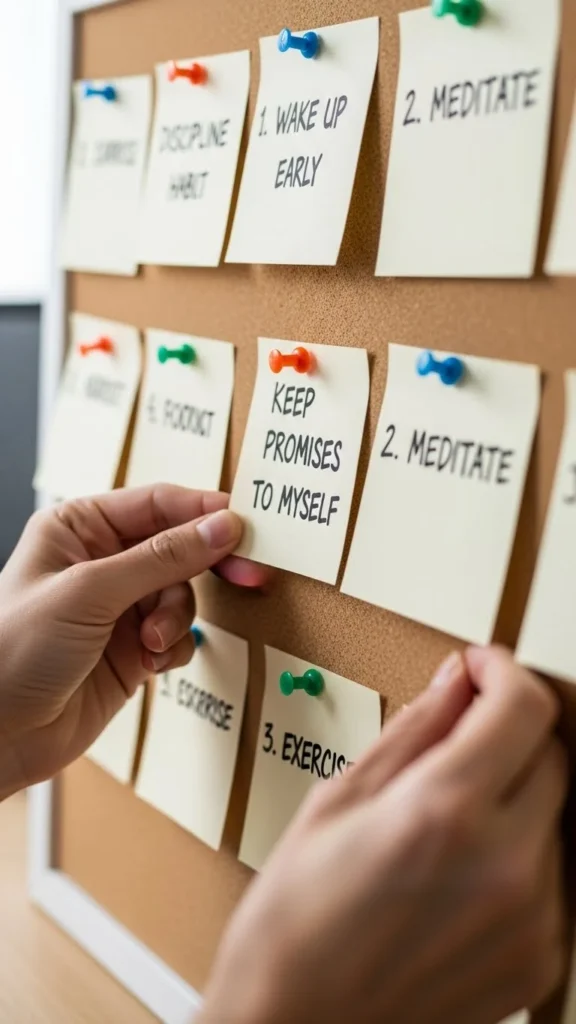
Self-trust drives follow-through. Winners protect it carefully. They make promises they can keep. Drink water after waking. Write one paragraph. Stretch briefly. Write one promise per day on paper. Cross it off when done. If a promise feels heavy, shrink it. Discipline improves when success feels repeatable. Over time, you stop overcommitting. You choose actions you will finish. Confidence grows quietly through consistency.
3. Start the Day Without Screens

Early minutes shape focus. Screens steal them fast. Winners delay screen use. Even ten minutes helps. Place your phone outside the bedroom. Use a low-cost alarm clock. On waking, do one analog task. Make the bed. Open a window. Write a short list. This builds calm control. Attention stays yours. Over weeks, mornings feel steadier. Discipline strengthens when you protect focus early.
4. Plan Tomorrow Before Bed

Winners decide ahead of time. They plan while energy is low. Write three tasks only. Place the hardest one first. Lay out clothes. Set tools where you need them. This takes minutes. It saves hours. Scrap paper works fine. No planner required. You wake with direction. Discipline feels lighter when tomorrow is already decided.
5. Finish Small Tasks Fully

Loose ends drain focus. Winners close loops. They reply quickly. They put things away. Start with tiny tasks. Wash the mug after use. File one paper. Send the short message now. Use a two-minute rule. If it fits, do it. Completion trains discipline. Over time, your space and mind feel lighter.
6. Set Clear Personal Rules
Rules remove debate. Winners create a few and follow them. No phone during meals. Bed by a set hour. Work before entertainment. Write rules down. Keep them visible. Three rules are enough. This saves mental energy. Discipline grows when choices are already made.
7. Practice Saying No Early

Late no costs more. Winners pause before agreeing. They say, “I’ll check and reply.” This creates space. Use clear words. Avoid long explanations. This habit protects time. It costs nothing. Over time, boundaries feel normal. Discipline stays intact when time stays protected.
8. Track Simple Daily Wins
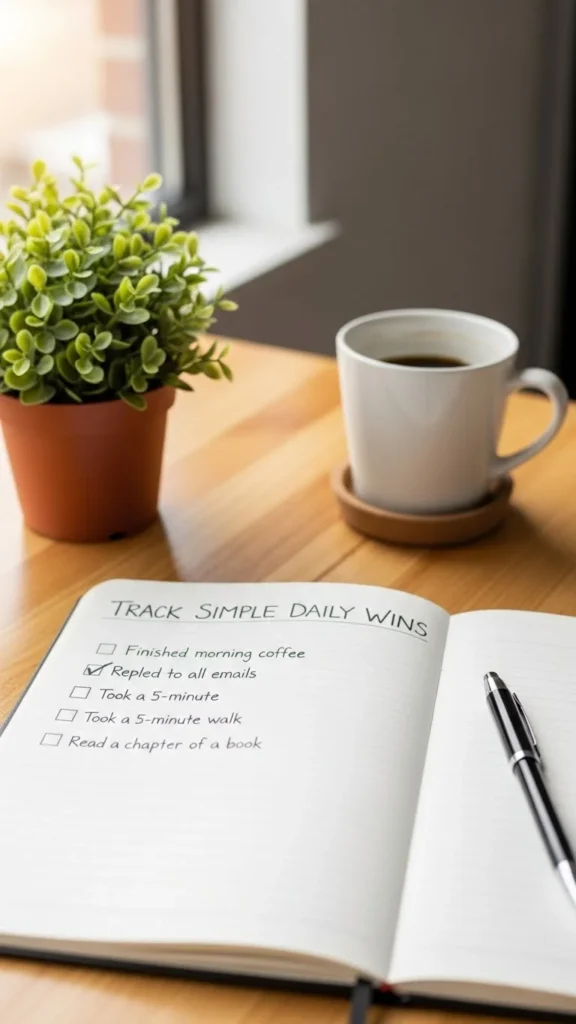
Progress feels slow when unseen. Winners track simply. One check mark per habit. One line per day. Use a calendar or notebook. No apps needed. Missed days stand out without shame. This creates momentum. Discipline sticks when progress is visible.
9. Keep a Clean Work Zone
Clutter adds friction. Winners reset their space daily. Five minutes works. Clear the desk. Stack papers. Wipe the surface. Use old boxes for storage. A clean zone invites focus. Discipline grows through order.
10. Prepare the Night Before
Preparation removes excuses. Winners pack bags and line up tools at night. Lay out clothes. Place keys by the door. Charge devices. This costs minutes. Discipline feels easier when barriers are gone.
11. Limit Daily Decisions
Too many choices drain energy. Winners simplify. Same breakfast. Same work blocks. Same route. Start with one repeat choice. Keep it plain. Discipline improves when the day feels lighter.
12. Stick to Plain Routines
Simple routines last. Winners avoid complex plans. Morning. Work. Evening. Repeat. Write your routine on one page. Adjust when life changes. Discipline stays steady when routines stay simple.
13. Learn a Little Every Day

Daily learning compounds. Winners read one page or practice one skill. Libraries and free videos work. Set a fixed time. Discipline grows through steady input.
14. Move the Body Daily

Movement clears the mind. Winners walk, stretch, or do simple drills. Ten minutes counts. No gym required. Tie movement to an existing habit. Discipline feels easier when the body moves daily.
15. Control Spending Habits
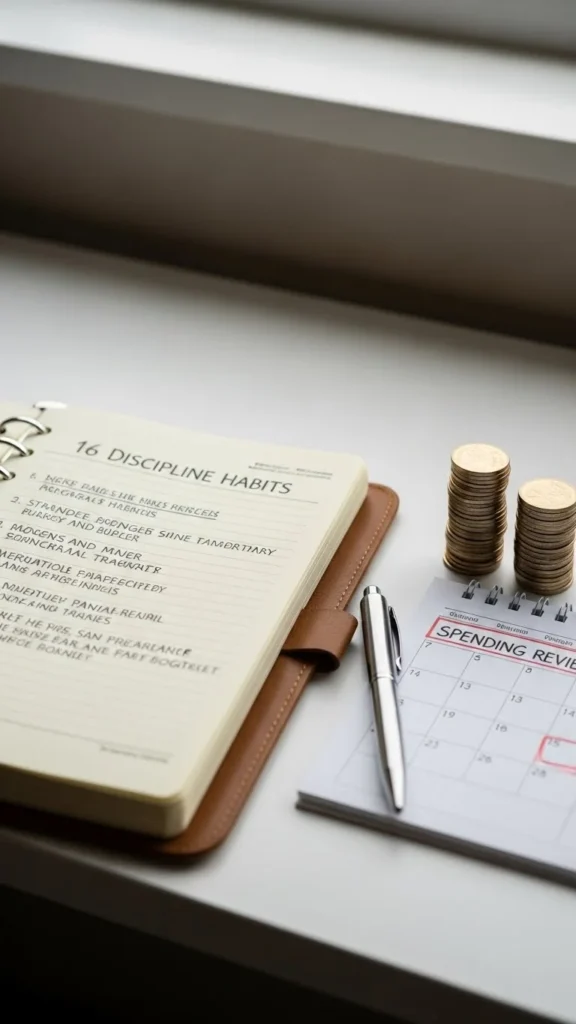
Money habits reflect discipline. Winners track expenses weekly. Use paper or notes. Pause before buying. Wait one day. This slows impulse. Discipline here reduces stress across life.
16. Act Even When Mood Drops

Mood shifts daily. Action can stay steady. Winners follow the plan, not feelings. They do the smallest version. One call. One page. This keeps habits alive. Discipline shows most on low-energy days.
Conclusion
Discipline grows from ordinary actions repeated with care and attention. These sixteen habits are simple, affordable, and realistic. Pick one or two. Start today. Keep them small. Over time, these habits create a steady separation. Winners stay consistent when others drift.

Leave a Reply