


Confidence isn’t something you’re born with—it’s something you practice every day. Small, repeatable habits can shift your mindset, posture, and even your inner dialogue, helping you stand out naturally. From quick micro-habits that can be done in minutes to simple routines that build evidence of your abilities, this list explores practical, budget-friendly ways to strengthen your presence and self-confidence. By adopting these habits, you can transform how you carry yourself, interact with others, and respond to challenges, all while reinforcing a confident identity.
1. Morning Micro-Journaling

Start your day by writing for just five minutes. Jot down three small wins from yesterday or set intentions for today. The act of recording accomplishments rewires your brain to focus on progress instead of shortcomings. Keep it simple. Use any notebook or even a scrap piece of paper. Over time, this micro-habit builds self-awareness and a positive mindset, making challenges feel manageable. Try pairing it with a short stretch or coffee to make it part of your morning ritual. The key is consistency, not perfection.
2. Power Poses for 2 Minutes

Adopt open, expansive postures for just a couple of minutes. Stand tall, shoulders back, feet shoulder-width apart. Even two minutes of this can change your physiology and trick your brain into feeling more confident. You can do this in your bedroom before work, or before a Zoom call. Combine it with slow, deep breaths. Micro-movements like rolling shoulders or lifting the chin also signal confidence to others. No fancy equipment needed, and it works surprisingly fast.
3. Three Wins Daily

Each evening, write down three wins from your day. They don’t have to be huge—finishing a project, speaking up in a meeting, or even completing a workout counts. This habit accumulates evidence of competence and helps combat imposter syndrome. Use sticky notes, a journal, or a digital note app. Review past wins weekly to see your growth. This practice reinforces your confident identity over time, quietly building self-belief without needing external validation.
4. Gratitude Walks

Take a 10-minute walk while reflecting on things you’re grateful for. Nature and movement combined with positive reflection reduces anxiety and reinforces confidence. No gym membership needed—walk around your block, a park, or even a quiet street. Keep it simple: focus on one thing at a time. These walks help shift your mindset from scarcity to abundance and improve posture and presence naturally.
5. Evidence Log
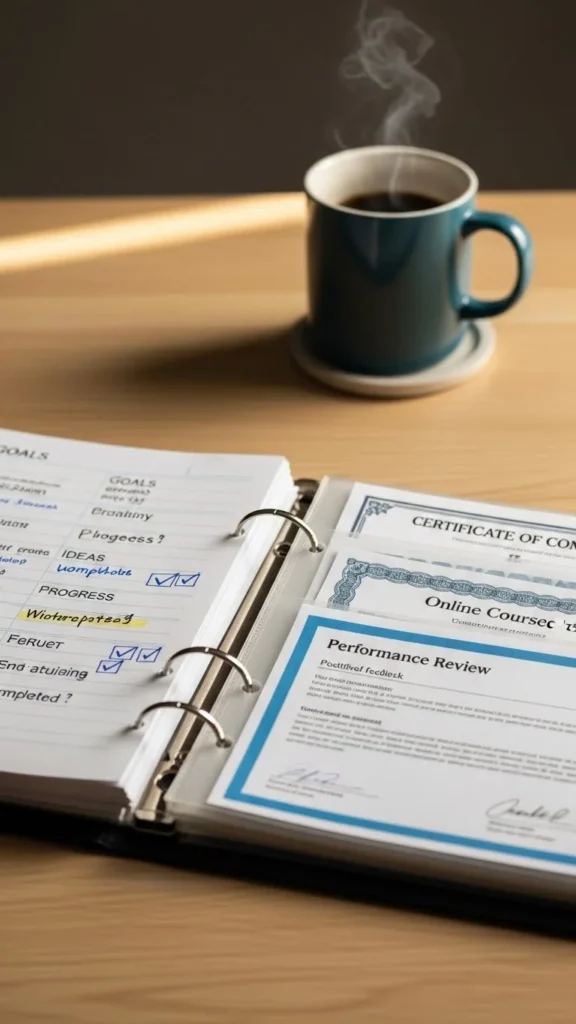
Keep a folder or notebook of accomplishments, compliments, and positive feedback. Whenever self-doubt hits, flip through your evidence log. Seeing tangible proof of your skills shifts the narrative from fear to competence. This habit is low-cost, simple, and surprisingly effective. Take five minutes weekly to update it. It’s like having a confidence backup ready for any situation.
6. Daily Affirmation Cards
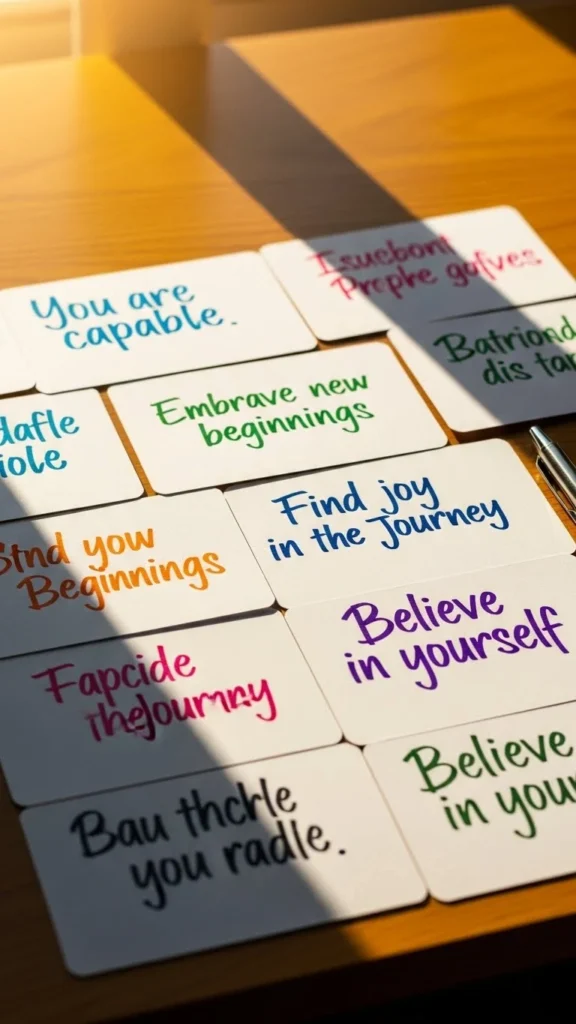
Write a few short statements that remind you of your strengths. Examples: “I speak clearly and confidently” or “I handle challenges with calm.” Keep them on your desk, mirror, or phone. Repeat them in the morning or before high-pressure moments. Micro-habits like this train your brain to replace self-doubt with self-assurance, requiring only a few minutes daily.
7. “Future Self” Visualization

Spend a few minutes imagining your confident future self. Picture how they speak, move, and respond to challenges. This habit anchors your actions in your desired identity. You can do this during your commute, before sleep, or with a guided audio. Even five minutes can prime your brain to act more confidently throughout the day. Visual cues like a mirror or photo of your goals can reinforce it.
8. One Uncomfortable Choice Daily

Challenge yourself with small risks—start a conversation, speak in a meeting, or try a new activity. Facing mild discomfort daily trains resilience and expands your comfort zone. The habit doesn’t need to be dramatic; it’s about consistency. Track each act of courage in a journal or app. Gradually, these micro-exposures make confidence feel natural rather than forced.
9. Camera Practice
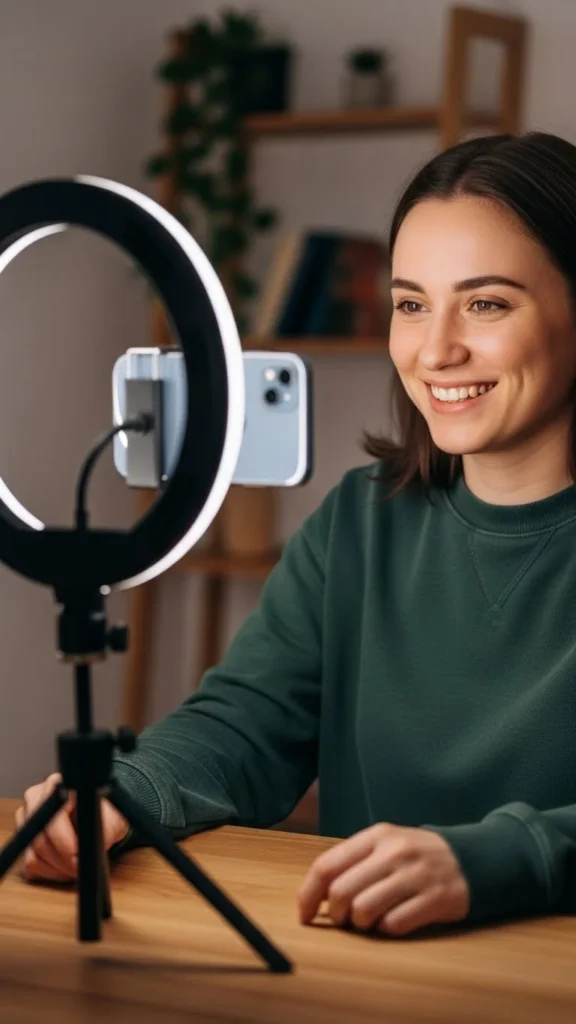
Record yourself practicing speeches, conversations, or presentations. Watching yourself helps adjust gestures, tone, and posture, creating visible confidence. Even a short two-minute clip daily can improve body language and speech fluidity. No fancy setup—just a phone and natural light. Over time, repeated exposure reduces self-consciousness and boosts comfort in front of others.
10. Daily Stretch or Movement

Simple exercises like stretching, push-ups, or short walks release endorphins that naturally increase confidence. Morning or evening, commit to 5–10 minutes. Focus on upright posture—this alone signals presence and self-assuredness. Even small, consistent movements reinforce body-based confidence habits without a gym or costly equipment.
11. Evening Reflection Routine

Before bed, review your day. Write what went well, what you learned, and how you responded to challenges. Evening reflection quietly rewires confidence by cementing accomplishments and reframing setbacks. Keep it short—10 minutes is enough. Pair it with a cup of tea or soft music. The habit strengthens self-awareness and reduces morning anxiety.
12. Accountability Check-Ins

Share goals or habits with someone you trust. Weekly check-ins create external motivation and social proof. You don’t need formal coaching—phone calls or casual chats work. Tracking progress publicly, even casually, reinforces commitment. These micro-habits provide both support and gentle pressure, making confidence growth feel shared rather than lonely.
13. Gratitude Jar

Write small things you’re grateful for on slips of paper. Review them weekly. This habit subtly shifts mindset from scarcity to abundance, lowering anxiety and boosting self-esteem. Inexpensive and simple, all you need is a jar and paper. Seeing tangible gratitude builds a quiet, steady confidence over time.
14. Power Phrase Practice

Pick 3–5 phrases that anchor you in confidence, like “I handle this with calm.” Repeat them in micro-moments—before a call, meeting, or social interaction. Writing and repeating them trains your inner dialogue, replacing critical self-talk with assertive self-belief. It’s cheap, quick, and can be done anywhere, even on your phone.
15. Financial Mini-Habits

Track small money moves: log spending, check your bank app, or note an investment step. These money habits reduce financial anxiety and strengthen confidence in decisions. Spend five minutes daily. Micro-actions like setting aside a dollar or reviewing a transaction accumulate into a sense of control and competence without expensive tools.
16. Posture Checks
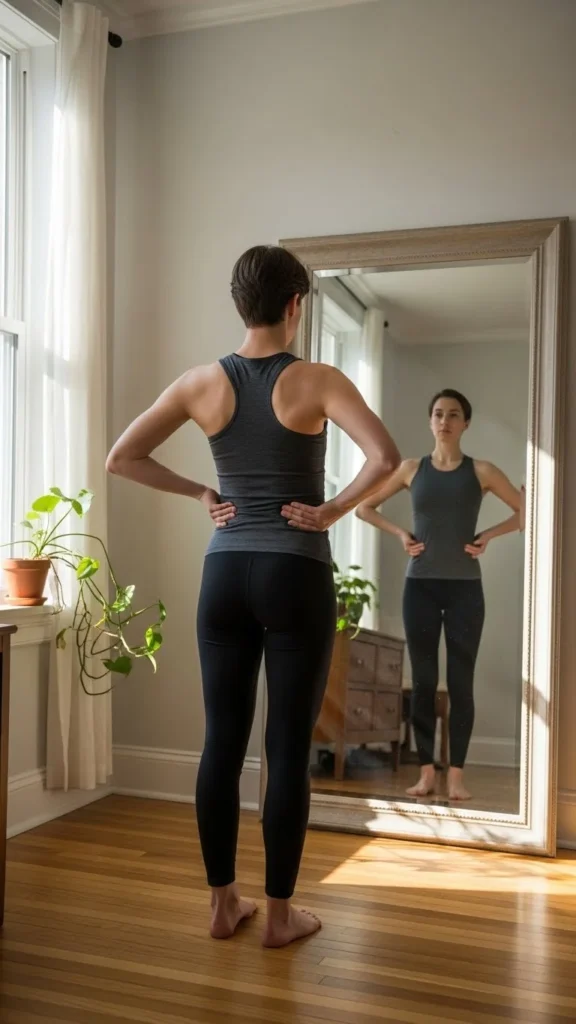
Pause a few times daily to correct posture. Standing tall, shoulders back, chin up, instantly signals presence. Even micro-moments—while on a call or waiting in line—matter. This inexpensive habit impacts both how others perceive you and how confident you feel internally.
17. Evidence Collection of Skills

Maintain a running list of skills, achievements, and completed tasks. Review regularly. This habit fights imposter syndrome and reinforces self-belief. It’s low-cost and simple: use a folder, notebook, or app. Micro-updates take 2–5 minutes but cumulatively bolster your confidence base.
Conclusion
Confidence isn’t magic—it’s the result of small, consistent habits stacked over time. By integrating micro-journaling, physical cues, reflection, and social or financial routines into your daily life, you create a system that strengthens self-belief and presence. These habits are practical, affordable, and adaptable to any schedule. Start with just one or two, track your progress, and watch your confidence grow steadily. Your future self will thank you for the intentional steps you take today.

Leave a Reply